
What is Spumante? Understanding Italy’s Sparkling Wine Classification
Spumante is the Italian classification for fully sparkling wine with at least 3 bars of internal pressure, encompassing a wide range of styles from dry to sweet and produced using either the tank method or traditional bottle fermentation.
In Italian wine terminology, Spumante refers to wines that undergo full secondary fermentation to create persistent effervescence and structured mousse. It is not a grape variety, brand, or specific wine region. Instead, it is a legally recognized sparkling wine category used across Italy’s DOC and DOCG appellations including Asti, Franciacorta, Prosecco, and Lambrusco.
Italian sparkling wine exports increased by more than 6 percent globally between 2023 and 2025, with premium Metodo Classico Spumante representing one of the fastest growing segments due to rising consumer demand for lower sugar Brut Nature styles and sustainable vineyard practices.
Key Takeaways
- Spumante is Italy’s official classification for fully sparkling wine with 3+ bars of pressure
- It includes wines like Asti, Franciacorta, Prosecco Spumante, and Lambrusco
- Spumante ranges from very dry Brut Nature to sweet Dolce styles
- It can be produced using the Charmat Method or Metodo Classico
- All Prosecco Spumante is Spumante, but not all Spumante is Prosecco
The Literal Meaning of Spumante
 The word Spumante originates from the Italian verb spumare, which means “to foam” or “to froth.” In practical wine terms, this definition is not poetic. It is technical. It refers specifically to wines that develop significant internal pressure through a controlled secondary fermentation process that traps dissolved carbon dioxide inside the liquid.
Unlike still wines, where fermentation gases are allowed to escape, Spumante undergoes a second fermentation in either a sealed tank or an individual bottle. During this phase, yeast converts residual sugar into alcohol and CO₂. Because the environment is closed, the carbon dioxide cannot dissipate and instead dissolves into the wine under pressure. When the bottle is opened, this dissolved gas forms the persistent stream of bubbles known as effervescence.
Under current European Union sparkling wine regulations, a wine labeled as Spumante must maintain:
- A minimum internal pressure of 3 bars measured at 20°C
- Stable and continuous bubble formation when poured
- Verified CO₂ retention resulting from natural fermentation rather than artificial injection
This pressure threshold is what legally separates fully sparkling wines from semi sparkling wines. For comparison, still wine bottles typically contain less than 1 bar of pressure, while Champagne and other traditional method sparkling wines may exceed 5 to 6 bars.
The structural presence of dissolved CO₂ influences far more than visual appearance. It affects:
- Perceived acidity
- Texture and mouthfeel
- Aromatic lift
- Foam stability, also known as mousse
Higher pressure Spumante wines often display finer bubbles and a creamier palate due to slower gas release. This is particularly noticeable in Metodo Classico styles that undergo extended lees aging.
By contrast, Frizzante wines usually contain between 1 and 2.5 bars of pressure. This lower carbonation level produces:
- Larger, faster dissipating bubbles
- Softer mouthfeel
- Reduced mousse formation
- Less pronounced acidity on the palate
Frizzante wines may also be bottled using simpler closures such as a cork with string tie rather than the mushroom cork and wire cage required for higher pressure Spumante. This mechanical distinction reflects the physical force exerted by dissolved gas inside the bottle.
Is Spumante a Type of Wine or a Category?
Spumante is not a single style of wine, nor does it refer to a specific grape variety or growing region. It is a legally defined production category within the Italian wine classification system used to identify wines that meet the pressure and fermentation criteria for full sparkling status.
This classification can apply to wines carrying:
- DOC (Denominazione di Origine Controllata) designation
- DOCG (Denominazione di Origine Controllata e Garantita) designation
- PDO (Protected Designation of Origin) status under EU law
Because Spumante refers to carbonation level rather than geographic origin, it can appear across multiple sparkling wine regions, appellations, and wine styles. For example:
- Asti DOCG Spumante from Piedmont
- Franciacorta DOCG from Lombardy
- Prosecco DOC Spumante from Veneto and Friuli Venezia Giulia
- Lambrusco DOC Spumante from Emilia Romagna
Each of these wines may use different grape varieties, production methods, and aging timelines, yet still qualify as Spumante if they achieve the required internal pressure through natural secondary fermentation.
This is why all Prosecco labeled as “Spumante” falls within the broader Spumante category, but not all Spumante wines can be classified as Prosecco. The former is a regional appellation, while the latter is a technical designation based on effervescence and production method.
Understanding Spumante as a category rather than a singular wine style allows us to better navigate our wine and other products when selecting sparkling wines that vary in sweetness, complexity, or production technique while still meeting Italy’s highest sparkling wine standards.
How Spumante is Made
 Spumante production begins in the same way as still wines, with primary fermentation converting grape sugars into alcohol. What differentiates Spumante is the deliberate initiation of a second fermentation designed to trap carbon dioxide inside the wine rather than allowing it to escape into the atmosphere.
This secondary fermentation is where Spumante develops its defining effervescence, and it can occur using two fundamentally different production systems that influence aroma, texture, aging potential, and price segmentation across our wine and other products.
Tank Method (Charmat Method)
A large percentage of modern Spumante, especially Prosecco Spumante, is produced using the Charmat Method, also known as the Martinotti Method in Italy.
In this approach:
- A finished base wine is transferred into a sealed stainless steel pressure tank.
- Yeast and sugar are added to initiate secondary fermentation.
- Carbon dioxide generated during fermentation dissolves directly into the wine due to the pressurized environment.
- Once the target pressure level is achieved, the wine is filtered and bottled under pressure to retain dissolved CO₂.
Because fermentation occurs in temperature-controlled tanks rather than bottles, producers can precisely manage:
- Fermentation speed
- Aromatic retention
- Bubble formation
This method preserves volatile primary aromas such as:
- Green apple
- Pear
- White peach
- Honeysuckle
- Citrus blossom
The result is a fruit-driven sparkling wine with brighter acidity and lighter texture. Tank fermented Spumante is typically intended for early consumption and emphasizes freshness over tertiary complexity.
Traditional Method (Metodo Classico)
Premium Spumante styles such as Franciacorta DOCG are produced using Metodo Classico through bottle fermentation.
This process involves:
- Bottling the base wine with yeast and sugar.
- Allowing secondary fermentation to occur inside each bottle.
- Aging the wine on its lees for extended periods contributes to the chemical changes that occur during sparkling wine aging.
During lees aging, yeast cells gradually break down through a process known as autolysis. This releases:
- Mannoproteins
- Fatty acids
- Amino acids
These compounds contribute to:
- Creamier mouthfeel
- Increased foam stability
- Enhanced mousse texture
- Aromatic complexity
Common autolytic flavor notes include:
- Brioche
- Toasted almond
- Pastry dough
- Hazelnut
Metodo Classico Spumante typically develops finer, more persistent bubbles due to slower CO₂ integration during bottle fermentation.
2025 Production Trends in Italian Spumante
Italian sparkling wine producers are increasingly investing in advanced fermentation technologies and sustainable winemaking practices to meet evolving global demand.
Recent innovations include:
- Precision temperature fermentation systems that prevent aromatic loss
- Biodynamic vineyard certification aligned with EU organic farming standards
- Carbon neutral bottling lines to reduce emissions during packaging
- Lightweight glass bottles that lower transportation impact
- Solar powered winery infrastructure
These techniques allow producers to maintain acidity, protect varietal character, and reduce environmental impact while preserving pressure stability inside the finished wine.
Carbonation Levels Explained
The defining physical characteristic of Spumante is its elevated dissolved carbon dioxide content.
Compared to Frizzante wines, Spumante typically contains:
- Higher internal pressure
- Smaller bubble diameter
- Slower bubble release rate
- Increased mousse persistence
This higher pressure level enhances:
- Aromatic lift by transporting volatile compounds to the surface
- Perceived freshness by amplifying acidity
- Palate structure through carbonic bite
Metodo Classico Spumante often displays a creamier mouthfeel due to the integration of CO₂ over longer lees aging periods.
Sweetness Levels of Spumante
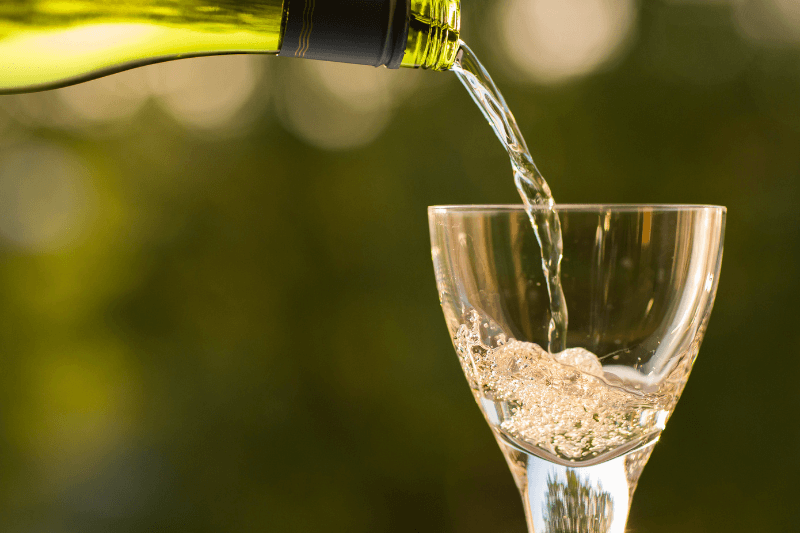 Residual sugar concentration determines the final taste profile of Spumante. These classifications are standardized across EU sparkling wine regulations and appear directly on bottle labels.
- Brut Nature: 0 to 3 grams per liter
- Extra Brut: 0 to 6 grams per liter
- Brut: up to 12 grams per liter
- Extra Dry: 12 to 17 grams per liter
- Dry: 17 to 32 grams per liter
- Demi Sec: 32 to 50 grams per liter
- Dolce: more than 50 grams per liter
Despite its name, Extra Dry actually contains more residual sugar than Brut and therefore tastes noticeably sweeter.
Major Types of Spumante
 Asti Spumante
 Asti Spumante
Produced in Piedmont using Moscato Bianco grapes, Asti Spumante undergoes partial fermentation to preserve natural grape sugars. It is known for:
- Pronounced floral aromatics
- Peach and apricot notes
- Lower alcohol levels around 7 to 9 percent ABV
- Soft mousse texture
Franciacorta
Franciacorta Spumante is produced in Lombardy using Metodo Classico and often includes:
- Chardonnay
- Pinot Nero
- Pinot Bianco
Extended lees aging introduces tertiary aromas and structural depth.
Lambrusco Spumante
Lambrusco Spumante is a red sparkling wine produced in Emilia Romagna. It may range from dry to semi sweet and typically features:
- Berry driven aromatics
- Moderate tannins
- Bright acidity
Prosecco Spumante
Made primarily from the Glera grape in Veneto and Friuli Venezia Giulia, Prosecco Spumante is usually tank fermented to retain:
- Fresh orchard fruit flavors
- Citrus notes
- Floral aromatics
Its approachable profile makes it one of the most widely consumed Spumante styles globally.
Spumante vs Prosecco
One of the most common points of confusion among consumers is the relationship between Spumante and Prosecco. While these terms are often used interchangeably in casual conversation, they are not equivalent from a legal or production standpoint.
Prosecco is a geographically protected wine style, while Spumante is a technical classification based on carbonation level.
Prosecco Spumante refers specifically to sparkling wine that:
- Is produced within designated DOC or DOCG regions such as Veneto or Friuli Venezia Giulia
- Uses approved grape varieties, primarily Glera
- Meets regional production and yield requirements
- Achieves a pressure level of at least 3 bars
Spumante, by contrast, may include sparkling wines from any Italian region, provided they meet the minimum carbonation threshold established under EU wine law. This means:
- All Prosecco Spumante qualifies as Spumante
- Not all Spumante qualifies as Prosecco
For example, Franciacorta DOCG Spumante from Lombardy and Asti DOCG Spumante from Piedmont both fall under the broader Spumante category but cannot be labeled as Prosecco due to regional appellation rules.
From a flavor standpoint:
- Prosecco Spumante tends to emphasize fresh fruit and floral aromatics due to tank fermentation
- Other Spumante styles may exhibit greater yeast derived complexity if produced using Metodo Classico
Understanding this distinction helps us navigate our wine and other products when selecting sparkling wines that differ in origin, production method, or aging potential.
Spumante vs Champagne
Spumante and Champagne are often compared because both may undergo bottle fermentation and display similar levels of effervescence. However, Champagne is not a production method alone. It is a protected designation tied to a specific place.
Champagne must:
- Originate from the Champagne region of northeastern France
- Use permitted grape varieties such as Chardonnay, Pinot Noir, and Pinot Meunier
- Follow strict appellation aging requirements
While certain Spumante wines such as Franciacorta also use traditional bottle fermentation, regional climate differences play a critical role in shaping final flavor profiles.
Champagne’s cooler growing conditions and chalk rich soils typically produce:
- Higher natural acidity
- More pronounced minerality
- Longer aging potential
Italian Spumante regions often benefit from slightly warmer climates, allowing:
- Riper fruit development
- Softer acidity
- Broader stylistic diversity ranging from bone dry to sweet
This climatic variation explains why Champagne frequently presents citrus driven sharpness while some Metodo Classico Spumante styles lean toward orchard fruit or toasted pastry notes.
Spumante vs Frizzante
Spumante and Frizzante differ primarily in internal pressure and resulting bubble behavior.
Frizzante wines typically contain:
- Between 1 and 2.5 bars of pressure
- Larger bubbles that dissipate quickly
- Softer effervescence
They are often sealed with simpler closures such as cork and string or screw cap because the lower pressure exerts less mechanical stress on the bottle.
Spumante wines must maintain:
- A minimum pressure of 3 bars
- Continuous bubble formation
- Greater foam stability
To withstand this pressure, Spumante bottles are sealed with:
- Mushroom shaped corks
- Wire cages known as muselets
Higher carbonation contributes to increased mousse persistence and sharper perceived freshness on the palate.
Alcohol Content
Most Spumante wines fall within an alcohol by volume range of:
- 6 percent to 12.5 percent ABV
The final alcohol level depends on fermentation duration and residual sugar retention.
For instance:
- Asti Spumante often remains between 7 and 9 percent ABV because fermentation is halted early to preserve natural sweetness
- Franciacorta Spumante may approach the higher end of the range due to complete fermentation and extended lees aging
Lower alcohol Spumante styles are often selected for aperitivo service or daytime occasions where a lighter profile is preferred.
How to Serve Spumante Properly
 The serving temperature has a measurable impact on carbonation stability and aromatic release.
Spumante is best served between:
- 6°C and 8°C
Serving below this range may suppress aromatics, while higher temperatures accelerate CO₂ loss.
Glassware selection also influences sensory perception:
- Flute glasses help retain bubbles by minimizing surface area
- Tulip shaped glasses concentrate aromas and allow gradual bubble release
Allowing the wine to warm slightly after pouring can enhance aromatic complexity without compromising mousse structure.
Food Pairing Guide
The versatility of Spumante makes it suitable for a wide range of culinary pairings.
- Brut Spumante complements seafood, oysters, and lightly fried dishes due to its acidity
- Extra Dry styles pair well with spicy cuisine or soft cheeses
- Demi Sec Spumante balances fruit based desserts
- Lambrusco Spumante matches cured meats and charcuterie thanks to its tannic structure
Carbonation also acts as a palate cleanser, cutting through fat and enhancing perceived freshness in rich dishes.
Market Trends and Global Demand
Global demand for Italian sparkling wine has shown consistent growth through 2025, driven by consumer interest in:
- Brut Nature styles with lower residual sugar
- Organic and biodynamic vineyard certification
- Premium Metodo Classico Spumante offerings
Export markets in North America and Asia continue to expand as consumers seek alternatives to Champagne that deliver comparable quality with broader stylistic diversity.
Common Misconceptions
Spumante is frequently misunderstood as:
- Always sweet
- Synonymous with Prosecco
- A specific grape variety
In reality, Spumante includes dry, semi sweet, and sweet sparkling wines produced from a wide range of grape varieties using multiple fermentation techniques.
Final Thoughts
Understanding Spumante as a technical classification rather than a single wine style allows us to make more informed decisions when selecting sparkling wines for different occasions, cuisines, or personal taste preferences. Instead of viewing Italian sparkling wine through the narrow lens of Prosecco alone, recognizing the broader Spumante category opens the door to a diverse range of expressions that vary in grape variety, production method, aging potential, and sweetness level.
From fruit driven tank fermented Prosecco Spumante to traditionally crafted Metodo Classico wines such as Franciacorta, this category reflects Italy’s ability to produce sparkling wines that balance freshness, texture, and aromatic complexity across multiple regions and terroirs.
As global demand for premium sparkling wine continues to rise through 2025, Spumante offers consumers an accessible yet technically sophisticated alternative that spans dry Brut Nature styles, structured vintage bottlings, and naturally sweet wines such as Asti. When we evaluate our wine and other products with this classification in mind, we gain a clearer understanding of carbonation levels, residual sugar categories, and fermentation techniques that ultimately shape the drinking experience.
Exploring Spumante beyond its most familiar labels allows us to appreciate the full scope of Italian sparkling wine craftsmanship while selecting bottles that align with both palate preference and occasion.
At California Champagne Sabers, we believe opening a bottle should be as meaningful as the moment it celebrates. Sabrage is more than a dramatic gesture—it’s a tradition rooted in craftsmanship and shared experiences. Our sabers are designed for balance, control, and confidence, turning every Champagne opening into a memorable ritual.
FAQs
What kind of wine is Spumante?
Spumante is a fully sparkling Italian wine classification defined by its internal pressure level of at least 3 bars. It can be produced in multiple regions across Italy using different grape varieties and production methods, and it ranges in style from very dry Brut Nature to sweet Dolce depending on residual sugar content.
Is Spumante the same as Prosecco?
No. Prosecco is a specific sparkling wine made from the Glera grape in designated DOC or DOCG regions such as Veneto and Friuli Venezia Giulia. Spumante is a broader classification that applies to any Italian sparkling wine that meets carbonation standards, including Prosecco Spumante as well as Franciacorta and Asti.
Is Spumante the same as Moscato?
No. Moscato refers to a grape variety, while Spumante refers to the level of effervescence in a wine. Some wines such as Asti Spumante are made from Moscato Bianco grapes, but not all Spumante wines use Moscato.
What is the difference between Brut and Spumante?
Brut describes the sweetness level of a sparkling wine, while Spumante describes its carbonation level. A Spumante wine may be classified as Brut if it contains up to 12 grams of residual sugar per liter, but it can also be Extra Dry, Demi Sec, or Dolce depending on its sugar content.
Is Spumante always sweet?
No. Spumante can be produced in dry, off dry, or sweet styles. While Asti Spumante is typically sweet, many Spumante wines such as Brut Franciacorta or Brut Prosecco contain very little residual sugar and taste dry.
Does Spumante have less alcohol than Champagne?
In many cases, yes. Some styles such as Asti Spumante have lower alcohol levels around 7 to 9 percent ABV due to halted fermentation. Other Spumante wines produced using Metodo Classico may reach alcohol levels similar to Champagne, typically between 11 and 12.5 percent ABV.