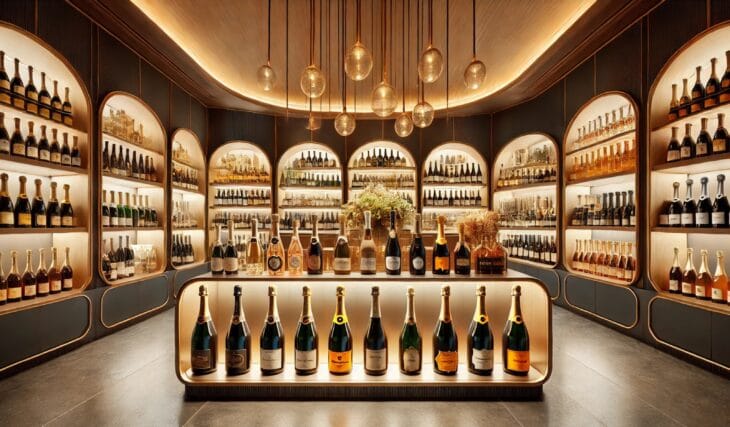
Top 10 Best Champagne Bottles for Memorable Celebrations in 2026
The best champagne bottles for celebrations in 2026 come from trusted houses, span clear style categories, and offer price tiers that make it easy to match each label to the moment — from everyday toasts to dramatic sabrage openings at milestone events.
Champagne still elevates life’s biggest milestones. A wedding toast, a promotion, a New Year countdown, or a quiet anniversary dinner all feel more significant the moment the cork leaves the bottle and the bubbles reach the glass. The question is not whether to serve champagne, but which bottle fits your occasion, your budget, and whether you plan to saber or simply pop the cork.
Hosts, sommeliers, collectors, and gift buyers choose bottles for very different reasons. Some want a reliable, crowd pleasing brut. Others look for a rare rosé or a vintage Blanc de Blancs that feels like a once in a lifetime splurge. The selections below reflect those patterns and include labels that pour beautifully and, when appropriate, saber cleanly for memorable celebrations.
Top 10 Champagne Bottles for 2026 (By Occasion and Style)
The best champagne list for 2026 should cover classics, boutique gems, rosé options, and prestige cuvées so you can match each bottle to specific celebrations rather than chasing one “best” label.
Below are ten bottles we consistently see deliver unforgettable experiences. Instead of ranking them from first place to tenth, we position each by its ideal use case, style, and price tier.
1. Armand de Brignac Gold Brut – Best luxury statement bottle for once in a decade celebrations
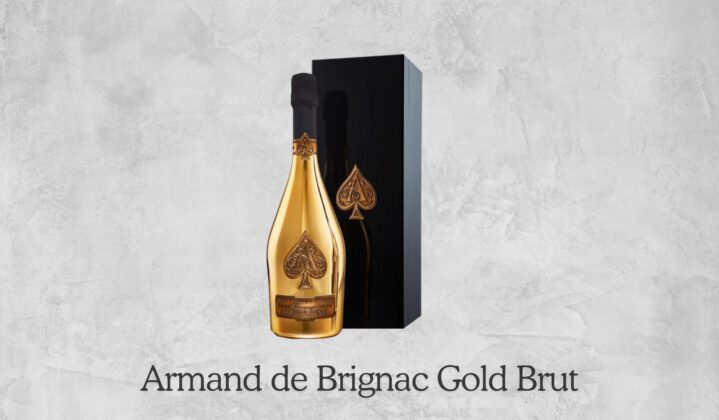
This is the bottle people recognize across a crowded room. The mirrored gold bottle and Ace of Spades emblem are pure theater, which makes it perfect for gala dinners, VIP tables, and highly photographed events.
Armand de Brignac Gold Brut is a multi vintage Brut that blends Pinot Noir, Chardonnay, and Pinot Meunier, with extended lees aging and a portion of reserve wines. The palate carries ripe stone fruit, red berries, and subtle pastry notes with a creamy, enveloping texture.
Because of its price and prestige, we usually recommend enjoying Gold Brut in the glass rather than sabering it. Use it when you want the bottle itself to communicate success, especially alongside caviar, lobster, or rich canapés.
2. Perrier Jouët Belle Epoque Blanc de Blancs – Best romantic Blanc de Blancs for weddings and anniversaries
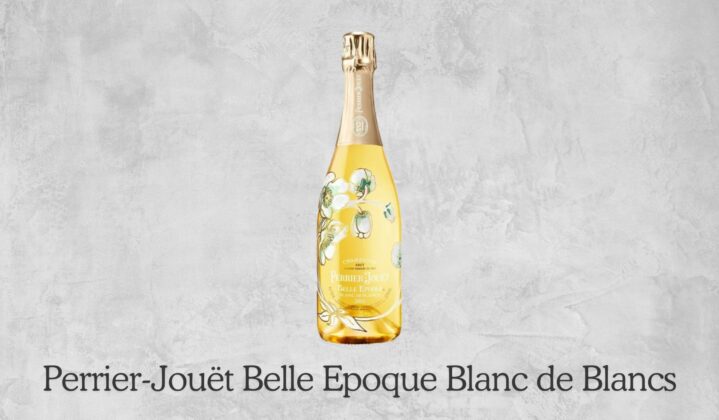
Few bottles look as romantic as Belle Epoque, with its white anemones painted on the glass. The Blanc de Blancs expression takes that elegance even further by focusing entirely on Chardonnay from prized Grand Cru sites.
The wine feels crystalline and floral, with nots of white flowers, citrus zest, and chalky minerality. The mousse is fine, the acidity is lifted, and the finish is long and graceful, which makes it ideal for seafood starters, poached fish, and delicate white meat dishes.
We love Belle Epoque Blanc de Blancs for wedding head tables, engagement dinners, and anniversaries where presentation and finesse matter as much as flavor.
3. Henri Bailleur Jeu de Coeur – Best boutique champagne for intimate, heartfelt celebrations
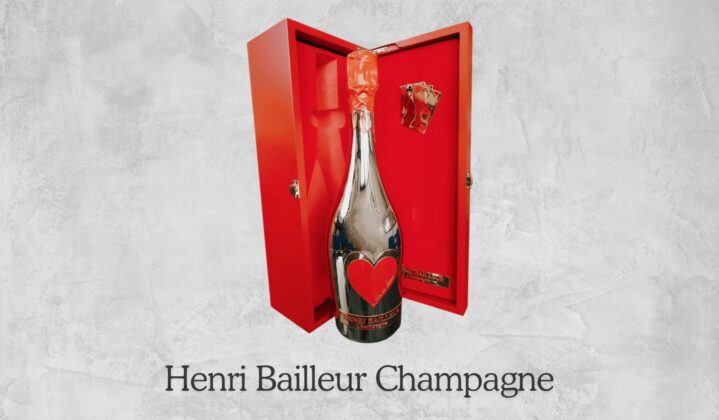
Henri Bailleur sits in the small grower category, where production is limited and attention to detail is intense. Jeu de Coeur is a romantic cuvée with vibrant bubbles, balanced acidity, and a rounded, seamless finish.
Instead of shouting luxury through packaging, this bottle whispers it through texture and nuance. Expect notes of citrus, orchard fruit, and subtle brioche that build in the glass instead of leaping out all at once.
Jeu de Coeur works beautifully for anniversaries at home, private dinners, and quiet moments where you want to savor conversation and the wine side by side. For sabering, we usually suggest using a more widely available non vintage Brut, then opening Jeu de Coeur traditionally.
4. Perrier Jouët Belle Epoque (Current Vintage) – Best floral milestone champagne for memorable toasts
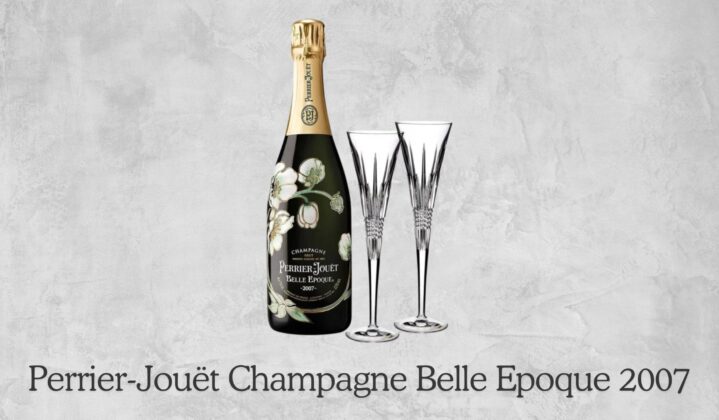
The core Belle Epoque vintage cuvée blends Chardonnay, Pinot Noir, and Pinot Meunier into a wine that sits at the intersection of floral charm and serious depth. It offers aromas of pear, white peach, honeysuckle, and acacia, wrapped around a fine, creamy mousse.
On the palate, the fruit feels ripe but always fresh, with pastry and light toasted notes from lees aging. The structure supports both early enjoyment and cellaring.
This is a perfect bottle for milestone birthdays, retirement parties, and engagement celebrations. Serve it in tulip glasses so the aromatics can open fully, and let it be the centerpiece of the main toast.
5. Ruinart Blanc de Blancs – Best elegant Blanc de Blancs for dinner parties and corporate hospitality
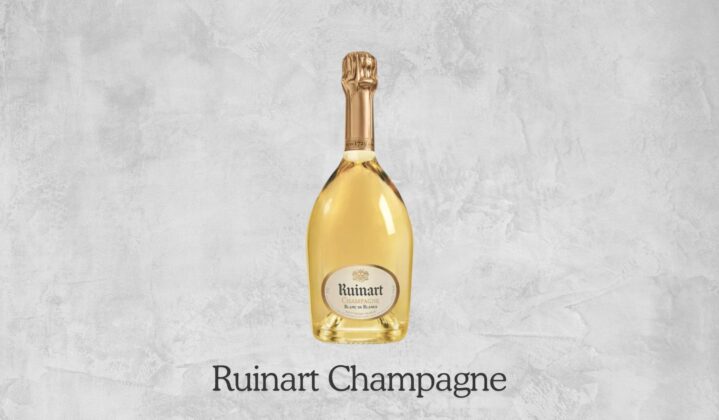
Ruinart claims the title of the oldest established Champagne House, and its Blanc de Blancs reflects that long experience with Chardonnay. The wine is built from Premier Cru vineyards and shows a sleek, citrus driven profile.
Expect lemon, lime blossom, and green apple notes, with hints of brioche and hazelnut as it warms slightly in the glass. The texture is smooth and rounded, which makes it easy for mixed groups of guests to enjoy.
Ruinart Blanc de Blancs shines at formal dinners, business events, and chef driven menus where the wines need to feel refined but not overpower the food. It is not the first bottle we reach for when sabering, but it is ideal for thoughtful, seated service.
6. Veuve Clicquot Rosé – Best rosé champagne for brunches and summer celebrations
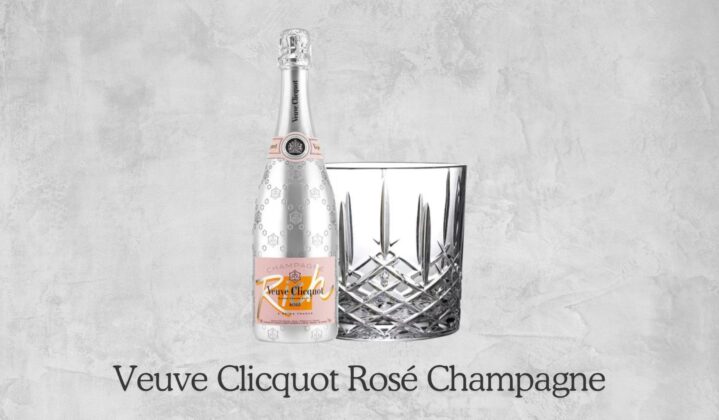
Veuve Clicquot Rosé builds on the famous Yellow Label base, adding still red Pinot Noir for color and red fruit character. The result is a lively, salmon pink wine with aromas of strawberries, raspberries, and a hint of brioche.
The palate is generous yet fresh, making it a natural match for brunch dishes, grilled seafood, and charcuterie boards. Guests who already trust the Yellow Label style often enjoy this rosé as a playful extension.
For sabering, the standard non vintage Veuve Clicquot Brut is usually a better choice. The rosé is perfect for the second or third bottle of the event, poured once the dramatic saber moment has already happened.
7. Dom Pérignon (Current Vintage) – Best iconic vintage champagne for major life milestones
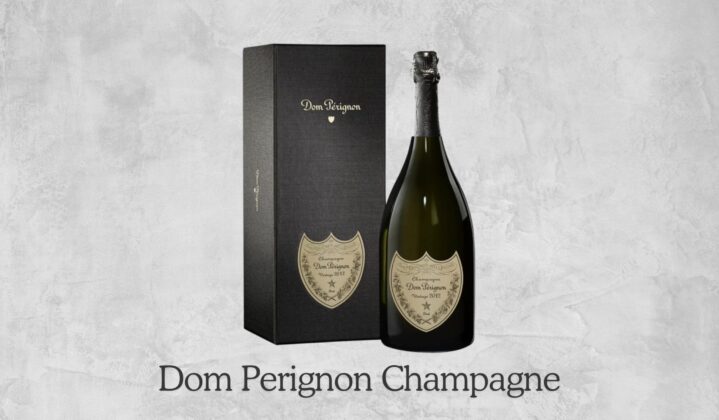
Dom Pérignon occupies a special place in the champagne world. It is always vintage, and it always aims to express a particular year through a blend of Chardonnay and Pinot Noir from top vineyards.
The texture is famously creamy, with fine, persistent bubbles. Aromas often include citrus, stone fruit, toast, and smoke, evolving into honey, nuts, and brioche with age. Every release has its own personality, and current vintages balance generosity with tension.
Open Dom Pérignon for events that truly mark a before and after in someone’s life, such as major promotions, milestone birthdays, or wedding anniversaries with a small guest list. Because of its price and aging potential, we recommend serving it traditionally rather than sabering.
8. Laurent Perrier La Cuvée – Best all round non vintage Brut under the mid tier price range
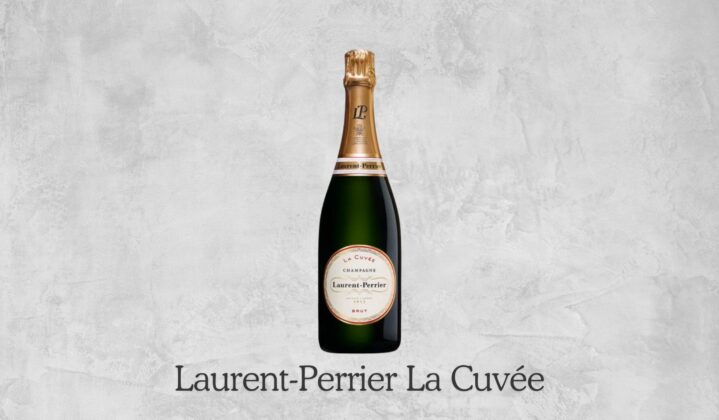
Laurent Perrier La Cuvée is a textbook example of a non vintage Brut that can handle almost any celebration. Chardonnay plays a leading role in the blend, giving the wine brightness and finesse, while Pinot Noir and Pinot Meunier add structure and fruit.
In the glass, you will find lemon and green apple notes, white flowers, and a subtle pastry character. It feels light and refreshing, yet it carries enough flavor to stand up to poultry, seafood, and soft cheeses.
La Cuvée is a smart choice when you need a versatile, widely appreciated champagne for dinners, holiday gatherings, and medium sized parties. It also works well as a saber friendly bottle when properly chilled and handled with care.
9. Veuve Clicquot Yellow Label – Best recognizable champagne for large parties and corporate events
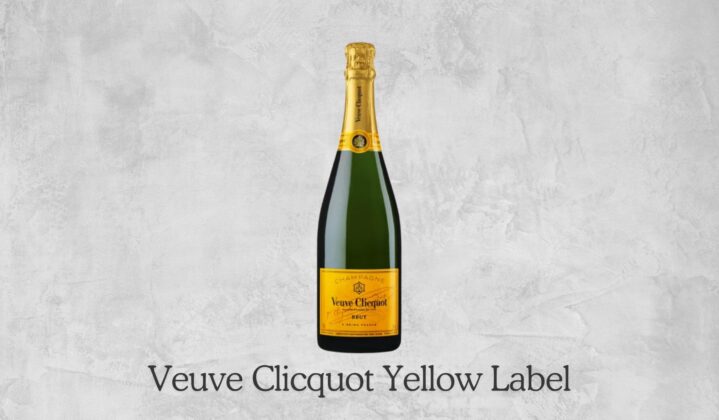
Veuve Clicquot Yellow Label might be the most instantly recognizable champagne label in the world. The house relies heavily on Pinot Noir for structure, with Chardonnay and Pinot Meunier rounding out the blend.
The wine offers citrus, stone fruit, and toasty notes, with a firm backbone and generous mousse. Guests who do not know much about wine still feel comfortable with Yellow Label, which makes it ideal for mixed groups and large events.
From an event planning perspective, Yellow Label is a workhorse. It pours well as an aperitif, pairs with a wide range of hors d’oeuvres, and often sits in a strong value position among luxury brands. When hosts ask us which bottle to saber first for a dramatic moment, this is one of the labels we often recommend, provided it is properly chilled and inspected.
10. Laurent Perrier Alexandra Rosé – Best collector rosé for romantic, once in a lifetime celebrations
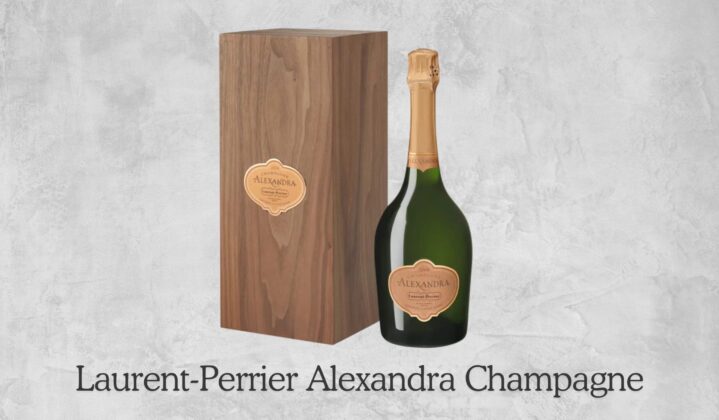
Laurent Perrier Alexandra Rosé is a rare vintage rosé that sits in the prestige category. The wine is produced only in exceptional years and is typically co fermented from Chardonnay and Pinot Noir harvested at the same time, which creates a deep, integrated profile.
In the glass, Alexandra shows a delicate pink color with copper reflections. Aromas include red berries, blood orange, rose petals, and subtle spice. The palate feels layered and long, with a fine, silky mousse that invites slow sipping.
This is the bottle you open for very specific moments: an important anniversary, a proposal, or an intimate celebration that you want to remember in detail. Because of its rarity and structure, we strongly suggest serving Alexandra Rosé gently in the glass, not under a saber.
How To Choose the Right Champagne for Your Celebration
The easiest way to choose champagne is to start with style and sweetness, then narrow down by budget, food pairing, and whether you want a bottle that is safe for sabering or better suited to slow sipping.
Most people pick champagne by label or price because they do not know where to start. Once you understand a few core categories, the shelves and wine lists feel less overwhelming. You do not need to memorize every producer. You just need to know which style fits the moment in front of you.
Champagne Styles and Sweetness Levels
The word “Brut” appears on many labels and simply means dry. Within that dry spectrum, there are important differences.
- Brut Nature / Zero Dosage – Very little sugar added. Taut, mineral, and very dry. Great for oysters and seafood, best for palates that enjoy high acidity.
- Extra Brut and Brut – The most common styles for celebrations. Fresh, balanced, and versatile with canapés, roasted poultry, and savory snacks.
- Extra Dry, Sec, and Demi Sec – Progressively sweeter. Extra Dry is slightly off dry, Demi Sec works beautifully with desserts, late night cake, and fruit tarts.
You will also see key style terms that describe which grapes are in the bottle.
- Blanc de Blancs – Made entirely from Chardonnay. Often citrusy, floral, and chalky, with bright acidity. Perfect for shellfish, white fish, and light appetizers.
- Blanc de Noirs – Made from black grapes such as Pinot Noir and Pinot Meunier, vinified as white wine. More structure, red fruit notes, and body.
- Rosé Champagne – Either blended with still red wine or produced by short skin contact. Ideal for brunch, grilled salmon, charcuterie, and romantic dinners.
- Vintage vs Non Vintage (NV) – Vintage champagne comes from a single harvest year and usually spends longer on lees, which adds depth, brioche, and nut notes. Non vintage blends multiple years to maintain a consistent house style and is often the smart choice for large parties.
Matching Champagne To Occasion and Budget
Once you know the style, think about how the bottle will be used.
- Large parties and New Year countdowns – Look for non vintage Brut from reliable houses. You want consistency, recognizable labels, and good value.
- Weddings and milestone events – Choose vintage champagne or elegant Blanc de Blancs. Guests remember both the label and the quality of the toast.
- Romantic evenings and small gatherings – Rosé champagne and boutique growers shine here, where you have time to notice nuance.
- Everyday toasts and casual brunches – Crisp, fruit forward non vintage Brut remains your best friend in the under 100 dollar range.
Think in broad tiers rather than exact numbers, since prices vary by region.
- Entry tier: reliable non vintage Brut for everyday or casual parties.
- Mid tier: special bottles for birthdays, promotions, and gifts.
- Prestige tier: statement bottles that you open a few times in your life.
What Makes a Bottle Saber Friendly
- Non vintage, relatively young bottles – Fresh, high pressure wines tend to saber more predictably than older, delicate vintages.
- Sturdy glass and classic bottle shape – Major houses with consistent bottling lines produce necks and seams that behave more reliably under a saber strike.
- Brut style with moderate foam – Very sweet styles and extremely fine mousse can sometimes produce messier eruptions.
If you are planning a sabrage moment, choose a non vintage Brut from a major house for the saber, and reserve your rare vintage bottle for traditional service in the glass.
Classic, Milestone, and Everyday Champagne Picks At a Glance
The best way to build a champagne lineup is to keep one classic non vintage Brut, one prestige bottle, and one affordable crowd pleaser so you can scale your celebrations up or down without starting from zero.
Instead of memorizing dozens of labels, think in small sets that cover your core needs.
Classic Labels That Always Impress
Dom Pérignon, Veuve Clicquot Yellow Label, and Moët and Chandon Impérial form a trio that works in almost any city in the world.
- Moët and Chandon Impérial – Approachable, fruit forward, and widely available. Great for casual parties, weddings, and hotel events.
- Veuve Clicquot Yellow Label – Slightly richer in structure, ideal when you want something a bit more serious than Moët without jumping into prestige territory.
- Dom Pérignon – The classic step up when you want the bottle to feel like a true milestone.
Bottles For Big Life Milestones
When the moment itself is rare, the bottle can be rare as well.
- Perrier Jouët Belle Epoque for floral elegance and artistry.
- Taittinger Comtes de Champagne for focused Blanc de Blancs purity.
- Bollinger La Grande Année for rich, powerful, Pinot driven intensity.
Each expresses a different side of champagne, and which one you choose depends on whether you lean toward brightness, precision, or depth.
Affordable Options For Everyday Toasts
You do not need to spend prestige prices every time you open a bottle.
- Nicolas Feuillatte Brut Réserve – Fresh, fruit driven, and widely stocked. Good for casual dinners and last minute celebrations.
- G H Mumm Cordon Rouge – Lively, citrusy Brut with a long history on restaurant lists and banquet menus.
- Laurent Perrier La Cuvée – A touch more refined, ideal when you want everyday quality that still feels special.
Keeping one or two of these on hand makes it much easier to mark smaller wins without turning every toast into a major expense.
Show Stopping Prestige Bottles
For a handful of celebrations, you may want a bottle that truly stands apart.
- Armand de Brignac Gold Brut for highly visible events.
- Krug Grande Cuvée for unmatched complexity and depth.
- Salon Le Mesnil Blanc de Blancs for rare, collector level Blanc de Blancs.
These wines reward slow, attentive drinking. In most cases, they deserve traditional service rather than sabering.
FAQs About Champagne and Sabering for Celebrations
What is the best champagne for a wedding toast?
For large weddings, a reliable non vintage Brut from a major house such as Veuve Clicquot Yellow Label, Moët and Chandon Impérial, or Laurent Perrier La Cuvée is ideal. These wines are widely available, consistent, and versatile with appetizers and wedding cake.
What is a good champagne under 100 dollars for New Year’s Eve?
Look for non vintage Brut from trusted producers like Nicolas Feuillatte, G H Mumm, Laurent Perrier, or similar houses in your local market. They usually sit in the under 100 dollar range and offer enough intensity to stand up to late night snacks and countdown energy.
Can you saber any champagne bottle?
In theory, many champagne bottles can be sabered, but in practice you should choose young, non vintage Brut from major houses with standard bottle shapes and sturdy glass. Avoid very old vintages, unusual bottle designs, and fragile half bottles.
How many bottles of champagne do I need per guest?
For a quick toast only, plan on one standard bottle for every six to eight guests. For an evening where champagne is poured throughout the event, plan on one bottle for every two to three guests, adjusting for how much other wine or cocktails you serve.
What temperature is best for serving and sabering champagne?
Most champagnes show well at about 45 to 48°F. For sabering, slightly colder bottles, around 40 to 45°F, behave more predictably. Warm bottles foam excessively and increase the risk of messy or unsafe sabrage.
Final Thoughts: Match the Bottle, the Saber, and the Moment
Choosing champagne is really about choosing how you want the moment to feel. A classic non vintage Brut keeps a big party flowing. A vintage Blanc de Blancs turns a dinner into an occasion. A prestige rosé, poured slowly, can make a quiet anniversary unforgettable.
At California Champagne Sabers, we see again and again that the most memorable celebrations are not just about which bottle you open, but how you open it. When you pair a carefully selected champagne with a well-crafted saber, proper glassware, and thoughtful presentation, you give your guests a story they will retell long after the bubbles fade.
If you would like help matching a saber to your favorite bottle or planning a sabrage moment safely, our team is here to guide you from the first bottle to the last toast.