The Evolution of Champagne Glassware (Coupe vs Flute vs Tulip)
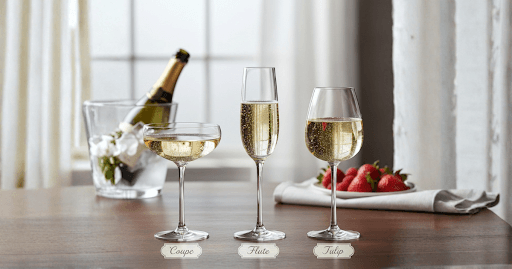
Champagne glassware evolved from wide, shallow coupes to narrow flutes and finally to tulip-shaped glasses as Champagne shifted from a celebratory drink to a wine meant to be tasted and evaluated.
Glassware is not decorative. It directly controls how Champagne releases bubbles, concentrates aroma, and delivers flavor. As Champagne production evolved, glass design had to evolve with it. What worked for early sparkling wines often works against modern Champagne.
Understanding this progression explains why professional tastings and Champagne houses no longer rely on traditional glasses alone.
Key Takeaways
- Glass shape directly influences aroma, carbonation, and texture
- Coupe, flute, and tulip reflect different historical Champagne styles
- Modern Champagne is designed for aroma-driven appreciation
- The tulip glass provides the best overall balance
- Using the wrong glass can flatten even high-quality Champagne
Why Champagne Glass Shape Matters
Glass shape determines how Champagne releases bubbles, concentrates aroma, and delivers flavor on the palate.
Carbon dioxide carries aroma upward. A glass that dissipates bubbles too quickly loses both freshness and complexity. A glass that traps aroma too tightly prevents the nose from accessing it. Rim width affects how wine hits the tongue, altering perceived acidity, sweetness, and texture.
Temperature control also matters. A proper stem prevents warming, while bowl size affects heat transfer. These variables together shape the entire Champagne experience.
The Coupe Glass
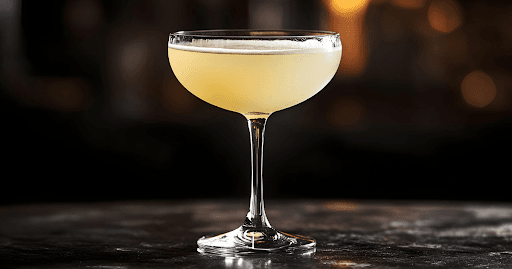
The coupe is a wide, shallow Champagne glass designed for elegance rather than aroma or carbonation retention.
Origins and Cultural Popularity
The coupe emerged when Champagne was sweeter, lower in pressure, and consumed quickly. Visual impact mattered more than aromatic precision.
Its popularity was reinforced by:
- Aristocratic dining traditions
- Early 20th-century luxury culture
- Film and fashion associations
Strengths of the Coupe
The coupe still offers specific advantages in certain contexts.
- Visually dramatic and iconic
- Ideal for stacked displays and cocktail service
- Comfortable for sweet or low-pressure sparkling wines
Limitations of the Coupe
Despite its elegance, the coupe performs poorly for modern Champagne.
- Large surface area causes rapid CO₂ loss
- Aromas dissipate almost immediately
- Complex wines taste flat within minutes
When a Coupe Still Makes Sense
Coupes remain appropriate for:
- Champagne cocktails
- Dessert-style sparkling wines
- Vintage-themed or aesthetic-driven events
The Flute Glass

The flute preserves carbonation and highlights bubble streams but restricts aromatic development.
Rise of the Flute in the 20th Century
As Champagne became drier and more carbonated, preserving effervescence became critical. The flute addressed this need by minimizing surface area and slowing bubble escape.
Its adoption aligned with:
- Industrial-scale Champagne production
- Visual emphasis on perlage
- Large-scale event service
Strengths of the Flute
The flute excels in controlled, high-volume settings.
- Strong bubble retention
- Slower temperature increase
- Clean, celebratory appearance
Weaknesses of the Flute
The same features that preserve bubbles limit sensory depth.
- Narrow rim traps aromas
- Flavor perception becomes linear
- Aged or premium Champagnes lose nuance
Best Uses for the Flute
Flutes remain useful for:
- Toasts and receptions
- Large celebrations
- Fresh, non-vintage Champagne styles
The Tulip Glass
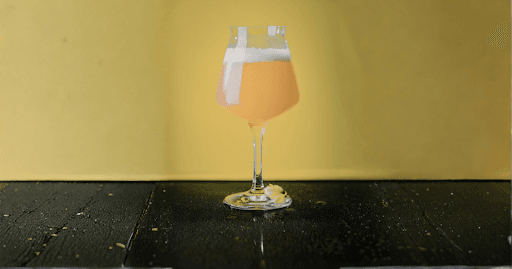
The tulip glass balances aroma development and carbonation retention, making it the preferred choice for modern Champagne.
Why the Tulip Emerged
As Champagne producers emphasized terroir, lees aging, and complexity, the flute proved too restrictive. The tulip was designed to showcase both structure and aroma.
Structural Advantages of the Tulip
The tulip combines the strengths of earlier designs while minimizing their weaknesses.
- Wider bowl allows aroma expansion
- Tapered rim focuses aromatics toward the nose
- Controlled CO₂ release maintains texture
- Improved mouthfeel and finish
Why Experts Prefer the Tulip
Professional tasters favor tulips because they reveal Champagne as intended.
- Greater aromatic clarity
- Better expression of aging and terroir
- Improved balance between freshness and depth
Tulip vs White Wine Glass
While white wine glasses are sometimes used, they release carbonation too quickly. Tulips are engineered specifically for sparkling wine dynamics.
Coupe vs Flute vs Tulip (Direct Comparison)
The coupe favors aesthetics, the flute favors carbonation, and the tulip offers the most complete sensory experience.
Side-by-Side Functional Comparison
| Feature | Coupe Glass | Flute Glass | Tulip Glass |
| Aroma Expression | Low. Aromas dissipate quickly due to wide surface area | Low to moderate. Narrow opening limits aromatic release | High. Bowl allows aroma development and rim concentrates it |
| Bubble Retention | Low. Carbonation escapes rapidly | High. Tall, narrow shape preserves bubbles longest | High. Balanced retention without overwhelming effervescence |
| Temperature Control | Low. Warms quickly | Moderate. Slower warming than coupe | High. Most stable temperature during drinking |
| Mouthfeel & Flavor Clarity | Flat, short-lived | Sharp, bubble-forward | Balanced, layered, and expressive |
| Visual Presentation | Most dramatic and iconic | Elegant and celebratory | Refined, modern, tasting-focused |
| Best Use Case | Cocktails, themed events, vintage aesthetics | Toasts, large events, quick pours | Tasting, food pairing, premium champagne |
Which Glass Is Best for Different Occasions
| Occasion | Recommended Glass | Why |
| Cocktail service or vintage-themed events | Coupe | Visual impact matters more than aroma or bubble retention |
| Toasts, weddings, large celebrations | Flute | Preserves carbonation and is practical for volume service |
| Champagne tastings and food pairings | Tulip | Maximizes aroma, balance, and overall sensory experience |
| Premium, vintage, or terroir-driven champagne | Tulip | Allows full expression of complexity and structure |
How to Choose the Right Champagne Glass Today
The best champagne glass depends on how the champagne is meant to be enjoyed, not tradition alone.
- For Casual Drinkers: Tulip-style glasses offer flexibility and improved experience without complexity.
- For Enthusiasts and Collectors: Tulips or specialized tasting glasses allow full expression.
- For Events and Hospitality: Flutes remain practical where efficiency matters.
The Future of Champagne Glassware
Champagne glassware continues to evolve toward function-driven designs that prioritize aroma clarity and balanced effervescence. Hybrid designs are emerging that blur the line between wine glasses and traditional champagne vessels. Sustainability, durability, and versatility are becoming more important. What remains constant is the shift away from spectacle and toward sensory integrity.
Why the Tulip Represents Modern Champagne Understanding
At California Champagne Sabers, we see the evolution of champagne glassware as a reflection of how champagne itself has matured. The coupe belongs to an era of ceremony and sweeter styles. The flute represents efficiency and celebration. The tulip aligns with how champagne is made today as a complex, aromatic wine meant to be appreciated, not rushed.
Choosing the right glass is not about tradition or strict rules. It is about letting champagne express its balance, structure, and character. When the glass supports aroma and effervescence in harmony, champagne becomes more than a celebratory pour. It becomes a complete experience.