Rosé Champagne: How It’s Made and Best Bottles to Try
Rosé Champagne is one of the most distinctive and celebrated styles produced in the Champagne region of France. Known for its delicate pink color, fine bubbles, and vibrant red-fruit aromas, it combines the elegance of traditional Champagne with the expressive character of red grapes.
Rosé Champagne is made by either blending a small amount of still red wine into white Champagne base wine or by allowing red grape skins to briefly macerate with the juice before fermentation.
Unlike most wine regions where mixing red and white wine is prohibited, Champagne uniquely allows this blending technique for rosé production.
This flexibility gives producers remarkable control over color, aroma, and style, resulting in rosé Champagnes that range from pale salmon and delicate to deep pink and intensely fruity.
Key Takeaways
- Rosé Champagne is produced using blending (rosé d’assemblage) or maceration/saignée methods.
- Only three grapes are permitted: Pinot Noir, Pinot Meunier, and Chardonnay.
- Rosé Champagnes show red fruit flavors such as strawberry, raspberry, and cranberry.
- Champagne is one of the few wine regions legally allowed to create rosé by blending red and white wines.
- Top examples include Dom Pérignon Rosé, Ruinart Rosé, and Billecart-Salmon Brut Rosé.
What Is Rosé Champagne?
Rosé Champagne is a sparkling wine produced exclusively in the Champagne region of northeastern France using the traditional Champagne production method, also known as méthode champenoise. Strict regulations from the Champagne Appellation d’Origine Contrôlée (AOC) govern how it is produced, including the grapes used, aging requirements, and winemaking techniques.
The production process begins with freshly harvested grapes that are gently pressed to create still base wines. These wines are fermented and later blended to achieve the desired house style before undergoing a second fermentation in the bottle, which creates Champagne’s signature bubbles.
The traditional Champagne method typically includes the following steps:
- Primary fermentation to create still base wines
- Blending of grape varieties and reserve wines
- Bottling with yeast and sugar for secondary fermentation
- Aging on lees in the bottle to develop complexity
- Riddling to move sediment into the bottle neck
- Disgorgement to remove the sediment
During the secondary fermentation, carbon dioxide forms inside the bottle and dissolves into the wine, producing the fine and persistent bubbles that Champagne is known for.
Rosé Champagne follows the same overall process but introduces color and red fruit character through specific rosé production techniques. These techniques may include blending a small amount of still red wine into the base wine or allowing brief skin contact with red grapes to extract color and flavor.
The Grapes Used in Rosé Champagne
Champagne law permits only three main grape varieties, and each contributes unique characteristics that shape the style and balance of rosé Champagne. The proportions of these grapes can vary widely between Champagne houses, which is why rosé Champagnes can taste dramatically different from one producer to another.
Pinot Noir
Pinot Noir is the most influential grape in rosé Champagne because it provides structure, body, and red fruit intensity. It is also responsible for much of the color used in rosé blends.
Key characteristics include:
- Structure and depth
- Strong color potential
- Red fruit aromas such as strawberry and raspberry
Pinot Noir is often used to produce the still red wine that may be blended into rosé Champagne during the assemblage method.
Pinot Meunier
Pinot Meunier contributes softness and fruit-forward character to rosé Champagne. It is known for making wines that are approachable and expressive at a younger age.
Its main contributions include:
- Roundness and supple texture
- Bright fruit flavors
- Early-drinking charm
Pinot Meunier helps soften the structure of Pinot Noir, creating a more balanced and approachable Champagne.
Chardonnay
Chardonnay brings elegance, freshness, and acidity to the blend. It plays a critical role in balancing the richer fruit notes from the darker grape varieties.
Its contributions typically include:
- Crisp acidity and freshness
- Floral and citrus aromas
- Finesse and elegance
Chardonnay helps maintain balance in rosé Champagne by brightening the wine and enhancing its aromatic complexity.
The proportions of Pinot Noir, Pinot Meunier, and Chardonnay vary from producer to producer. Some Champagne houses emphasize Pinot Noir for a deeper, fruit-driven rosé style, while others increase the amount of Chardonnay to create a lighter, more elegant Champagne with delicate salmon-pink color.
How Rosé Champagne Is Made
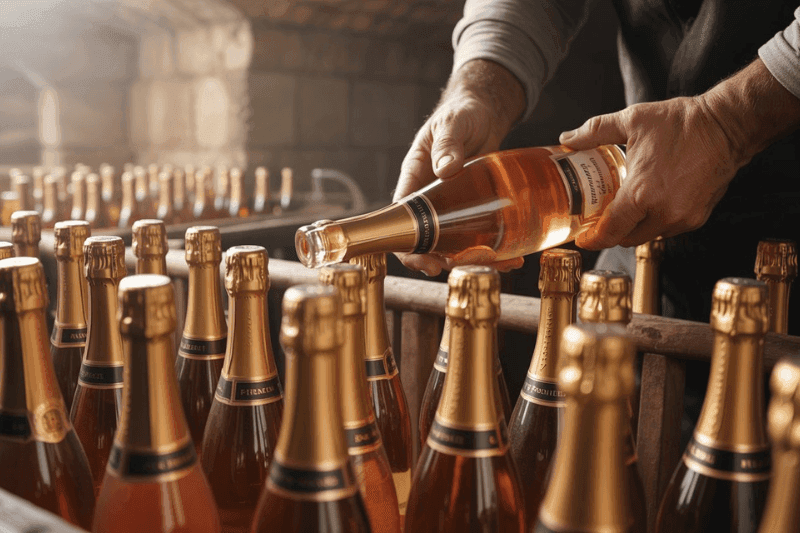
Rosé Champagne follows the same traditional Champagne method used for white Champagne but includes an additional step to introduce color and red fruit character. Winemakers can produce rosé Champagne using a few different techniques, and the choice often depends on the house style, grape quality, and the desired flavor profile.
While the overall Champagne production process remains the same, rosé Champagne gains its color and fruit expression through specific rosé techniques applied during the early stages of winemaking.
The three most recognized approaches are blending, maceration, and saignée.
1. Rosé d’Assemblage (Blending Method)
The most common method for producing rosé Champagne is rosé d’assemblage, often referred to as the blending method. This technique is widely used because it allows Champagne houses to maintain consistency and precise control over the final wine.
In this approach:
- Winemakers first produce a traditional white Champagne base wine
- A small amount of still red wine, typically made from Pinot Noir or Pinot Meunier, is added
- The blend then undergoes secondary fermentation in the bottle
Usually 5–15 percent red wine is blended into the base wine, though the exact proportion varies depending on the color intensity and flavor profile the producer wants to achieve.
This method offers several advantages:
- Precise control over the wine’s color
- Ability to maintain a consistent house style
- Balance between fruit intensity and acidity
Champagne is one of the very few wine regions where blending red and white wines to create rosé is legally permitted. In most other wine regions, this practice is prohibited.
Because of its flexibility and reliability, rosé d’assemblage accounts for the majority of rosé Champagne production today.
2. Maceration Rosé
Another method used to produce rosé Champagne is maceration, which involves allowing black grape skins to remain briefly in contact with the juice before fermentation.
During this process:
- Freshly crushed Pinot Noir or Pinot Meunier grapes are left with their skins
- Pigments and flavor compounds begin to extract into the juice
- The winemaker removes the skins after a short period of time
The skins release pigments known as anthocyanins, which give rosé Champagne its pink color. At the same time, aromatic compounds from the grape skins enhance the wine’s flavor complexity.
Key characteristics of this method include:
- Gradual extraction of color and flavor
- Increased red fruit expression
- Slightly fuller body and texture
The length of maceration plays an important role. Short skin contact results in a pale salmon color, while longer contact can produce deeper pink tones and stronger fruit flavors.
Rosé Champagnes made with maceration often display more pronounced strawberry, raspberry, and cherry aromas, along with a richer mouthfeel.
3. Rosé de Saignée
The saignée method, which means “bleeding” in French, is closely related to maceration but involves a slightly different approach.
In this technique:
- Red grapes begin macerating with their skins
- A portion of the lightly colored juice is “bled off” early from the tank
- That juice is then fermented separately to produce rosé Champagne
Because the juice remains in contact with the grape skins during the early stage, it absorbs additional phenolic compounds and pigments, which contribute to both color and structure.
Rosé Champagnes produced using the saignée method typically show:
- Deeper pink or copper hues
- More concentrated red fruit flavors
- Greater structure and body
This style can be particularly expressive, often highlighting bold notes of raspberry, cherry, and red currant.
However, the saignée method is used less frequently because it requires excellent grape quality and precise timing. If the maceration lasts too long, the wine can become overly tannic or dark in color.
For this reason, only a limited number of Champagne houses specialize in saignée rosé production.
Why Rosé Champagne Is Unique
Rosé Champagne stands apart from most rosé sparkling wines because of the strict regulations and meticulous production methods used in the Champagne region. These rules ensure both quality and consistency across producers.
Several factors make rosé Champagne particularly distinctive.
Legal Production Methods
Champagne is one of the only wine regions where blending red wine with white wine to create rosé is legally allowed. In most other wine regions, rosé wines must obtain their color through skin contact rather than blending.
Precision Blending
Champagne houses have centuries of experience in blending different base wines and grape varieties. This expertise allows producers to fine-tune the aroma, color, texture, and balance of rosé Champagne with remarkable precision.
Traditional Bottle Fermentation
All Champagne undergoes secondary fermentation inside the bottle, which produces the wine’s fine bubbles, known as mousse. This process also contributes to the creamy texture and complex aromas associated with high-quality Champagne.
Extended Aging
Champagne regulations require significant aging before the wine can be released:
- Non-vintage Champagne: minimum of 15 months aging
- Vintage Champagne: minimum of 3 years aging
During this period, the wine remains in contact with yeast lees, which gradually develop complex flavors such as brioche, toast, and pastry.
These strict production requirements, combined with careful grape selection and blending expertise, are what give rosé Champagne its unique balance of elegance, fruit intensity, and complexity.
Rosé Champagne Flavor Profile
Rosé Champagne is typically more fruit-driven and expressive than traditional white Champagne. While white Champagne often highlights citrus, apple, and mineral notes, rosé styles bring forward vibrant red fruit flavors balanced by Champagne’s signature freshness and bubbles.
The final flavor profile depends on several factors, including the grape blend, the production method used to create the rosé color, and how long the wine ages on its lees.
Color
Rosé Champagne can vary significantly in color depending on the winemaking technique and the amount of red wine used in the blend.
Common color shades include:
- Pale salmon
- Soft coral
- Copper pink
- Bright raspberry
Champagnes produced using the blending method often display lighter shades such as salmon or peach. Wines produced using maceration or saignée methods may appear deeper pink because more pigment is extracted from the grape skins.
Aromas
Rosé Champagne is known for its vibrant aromatic profile, which typically emphasizes red fruit.
Common aromas include:
- Strawberry
- Raspberry
- Redcurrant
- Cherry
- Rose petal
- Citrus zest
Depending on the blend and aging time, additional notes may appear, such as cranberry, blood orange, or subtle floral aromas.
As the wine ages on lees during bottle fermentation, it also develops more complex secondary aromas such as:
- Brioche
- Toasted bread
- Pastry
- Almond
These layered aromas give rosé Champagne both freshness and depth.
Texture
The texture of rosé Champagne is defined by its fine bubbles and bright acidity.
High-quality rosé Champagne typically shows:
- Fine, persistent bubbles
- Crisp, refreshing acidity
- Creamy mousse
The combination of fresh acidity and rich fruit flavors makes rosé Champagne particularly versatile, allowing it to pair with a wide range of foods while still remaining elegant enough to enjoy on its own.
Why Rosé Champagne Often Costs More
Rosé Champagne frequently carries a higher price than standard Brut Champagne, and several factors contribute to this difference.
Key reasons include:
- Additional winemaking steps
- Smaller production volumes
- Higher global demand for rosé styles
- Extra labor required for maceration or saignée techniques
Producing the still red wine used in the blending method requires extra vineyard work and careful fermentation. In the case of maceration or saignée rosé Champagnes, winemakers must carefully monitor skin contact to achieve the right color and flavor balance.
For many Champagne houses, rosé wines also represent a prestige category, showcasing the producer’s blending expertise and often using high-quality grapes.
Because of this combination of craftsmanship, demand, and limited production, rosé Champagne is often positioned as a premium offering within a Champagne house’s portfolio.
Best Rosé Champagne Bottles to Try
Rosé Champagne ranges from approachable non-vintage blends to rare prestige cuvées that can age for decades. Exploring different producers highlights the remarkable diversity of styles across the Champagne region.
Iconic Prestige Rosé Champagnes
Some of the most celebrated rosé Champagnes come from prestige cuvées that use exceptional fruit and extended aging to achieve extraordinary complexity.
Dom Pérignon Rosé
A legendary prestige Champagne known for its power, complexity, and remarkable aging potential.
Louis Roederer Cristal Rosé
Produced using the saignée method and aged extensively, delivering remarkable depth and precision.
Krug Rosé
One of the most complex rosé Champagnes available, known for its richness and layered flavor profile.
Classic Benchmark Rosé Champagnes
These bottles are widely regarded as reference points for high-quality rosé Champagne.
Billecart-Salmon Brut Rosé
Renowned for its elegance, delicate bubbles, and refined strawberry and raspberry aromas.
Ruinart Rosé
Ruinart Rosé is a sophisticated Champagne with bright red fruit notes balanced by citrus freshness and a refined, silky texture.
Laurent-Perrier Cuvée Rosé
Produced primarily from Pinot Noir using maceration to emphasize vibrant red fruit character.
Quality Rosé Champagne for Value
Several producers offer excellent rosé Champagne at more accessible prices while still maintaining strong quality.
Examples include:
- Pommery Brut Rosé Royal
- Perrier-Jouët Blason Rosé
- Nicolas Feuillatte Brut Rosé
These wines provide the signature fruit, freshness, and elegance of rosé Champagne without the price of prestige cuvées.
Food Pairings for Rosé Champagne
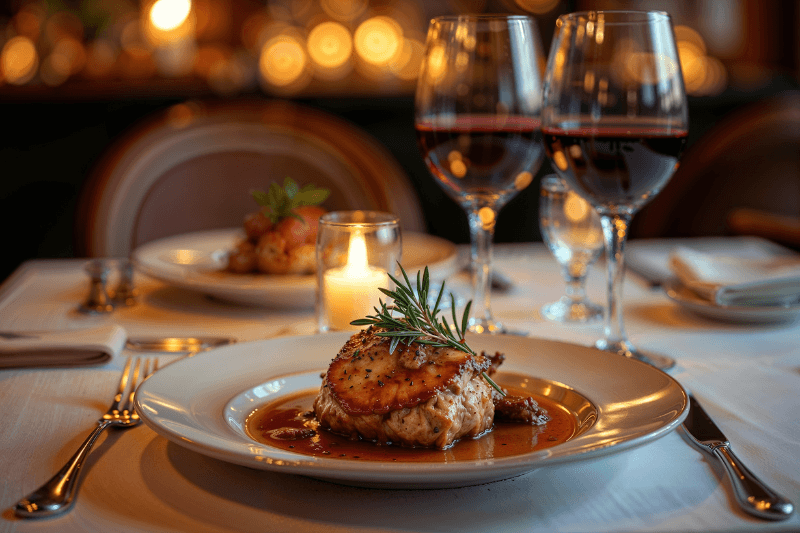
One reason rosé Champagne is so admired is its versatility with food. The combination of acidity, bubbles, and red fruit flavors allows it to pair with both delicate and richer dishes.
Aperitif
Rosé Champagne works beautifully as an aperitif because its bright fruit flavors stimulate the palate.
It pairs well with:
- Charcuterie
- Prosciutto
- Light savory appetizers
Seafood
The freshness and acidity of rosé Champagne complement seafood particularly well.
Excellent pairings include:
- Salmon
- Tuna
- Lobster
- Sushi and sashimi
Meat Dishes
Unlike many white sparkling wines, rosé Champagne has enough structure to handle certain meats.
Good options include:
- Duck breast
- Roast poultry
- Veal
- Grilled meats
Cheese
Rosé Champagne pairs nicely with soft, creamy cheeses that balance its acidity.
Recommended cheeses include:
- Brie
- Chaource
- Goat cheese
Desserts
The berry aromas in rosé Champagne make it a natural companion for fruit-based desserts.
Popular pairings include:
- Strawberry tart
- Raspberry pastries
- Berry pavlova
Serving Rosé Champagne
Serving rosé Champagne correctly helps preserve its delicate aromas and texture.
For the best experience:
- Serve at 8–10°C (46–50°F)
- Use tulip-shaped Champagne glasses rather than narrow flutes
- Avoid over-chilling, which can mute aromas and flavor
Tulip-shaped glasses allow the wine to open up aromatically while still maintaining the visual appeal of the bubbles.
Once opened, a bottle of rosé Champagne can stay fresh for one to three days when sealed with a proper Champagne stopper and stored in the refrigerator.
Final Thoughts
Rosé Champagne represents a unique blend of tradition and creativity in the Champagne region. While it follows the same meticulous production method as classic Champagne, winemakers introduce color and fruit character through blending or controlled skin contact. The result is a sparkling wine that combines elegance, freshness, and vibrant red fruit flavors.
One of the reasons rosé Champagne is so popular is its stylistic diversity. Some bottles are light, delicate, and floral, perfect as an aperitif, while others are richer and more structured with deeper berry flavors and greater aging potential. This variety allows Champagne houses to express their distinct house styles while offering consumers many different rosé expressions to explore.
Rosé Champagne is also one of the most versatile wines for food pairing. Its bright acidity and fruit-forward profile complement everything from seafood and charcuterie to poultry and berry desserts. Whether you choose a classic non-vintage rosé or a rare prestige cuvée, rosé Champagne remains one of the most expressive and enjoyable sparkling wines in the world.
Explore the elegance of rosé Champagne even further by pairing it with the timeless ritual of sabrage. Elevate your celebrations and open your favorite bottles with precision, style, and confidence using our Champagne sabers at California Champagne Sabers.
Sources:
Eder, M. L. R., & Rosa, A. L. (2021). Non-conventional grape varieties and yeast starters for first and second fermentation in sparkling wine production using the traditional method. Fermentation, 7(4), 321.
Zoecklein, B. (2015). A review of méthode champenoise production. Virginia Polytechnic Institute and State University.
FAQs
What is the best tasting rosé Champagne?
The best tasting rosé Champagne depends on personal preference, but Billecart-Salmon Brut Rosé is widely regarded as a benchmark for its balance, fine bubbles, and fresh strawberry and raspberry notes. Other highly praised bottles include Ruinart Rosé for its elegance and Dom Pérignon Rosé for its depth and complexity.
What is the best bottle of rosé?
Some of the best bottles of rosé Champagne include Dom Pérignon Rosé, Louis Roederer Cristal Rosé, and Krug Rosé, which are known for their richness and aging potential. For excellent quality at a slightly lower price, Billecart-Salmon Brut Rosé and Laurent-Perrier Cuvée Rosé are widely recommended.
Does rosé wine help lower cholesterol?
Rosé wine contains antioxidants and polyphenols that may support heart health and help increase HDL, or “good” cholesterol, when consumed in moderation. However, most research focuses on red wine, so rosé should not be considered a treatment for cholesterol.
What is the most commonly used method for producing rosé Champagne?
The most common method is rosé d’assemblage, where a small amount of still red wine, usually from Pinot Noir or Pinot Meunier, is blended into white Champagne base wine before the second fermentation. This allows producers to control the color and flavor precisely.
Why is rosé Champagne more expensive?
Rosé Champagne is often more expensive because it requires additional winemaking steps, such as producing red wine for blending or carefully managing skin maceration. It is also produced in smaller quantities and is often positioned as a premium style.
Is rosé Champagne sweeter than regular Champagne?
Rosé Champagne is not necessarily sweeter than regular Champagne because sweetness depends on the dosage level, not the color. Most rosé Champagnes are labeled Brut, meaning they are dry despite their fruity aromas.