How to Choose the Perfect Champagne Saber (2026 Buyer's Guide)
Last Updated: January 14, 2026
A champagne saber is a ceremonial blade used for sabrage, the dramatic technique of opening sparkling wine by striking the bottle’s neck. Sabering has become popular across weddings, tasting rooms, private celebrations, and corporate events where the ritual adds theatrical flair and elevates champagne service.
Choosing a saber depends on how it will be used. Beginners tend to perform best with lightweight stainless steel designs that offer control during the strike. Professionals, collectors, and gift buyers often look for craftsmanship, provenance, handle ergonomics, engraving options, and presentation packaging. With modern makers ranging from accessible manufacturers to artisan workshops, buyers can select sabers that balance performance with aesthetic preference.
To choose the perfect champagne saber, align skill level, intended use, build quality, materials, and personalization features with the occasion and budget.
Key Takeaways
- Champagne sabers are blunt ceremonial blades designed for sabrage that rely on momentum rather than sharpness.
- Different sabers suit different buyers such as weddings, collectors, restaurants, sommeliers, and corporate gifting.
- Materials, balance, and handle geometry affect control, performance, and safety.
- Engraving and presentation packaging matter heavily for weddings and corporate gifting.
- High end sabers emphasize provenance, craftsmanship, and authenticity.
What Is a Champagne Saber and Why Sabering Exists
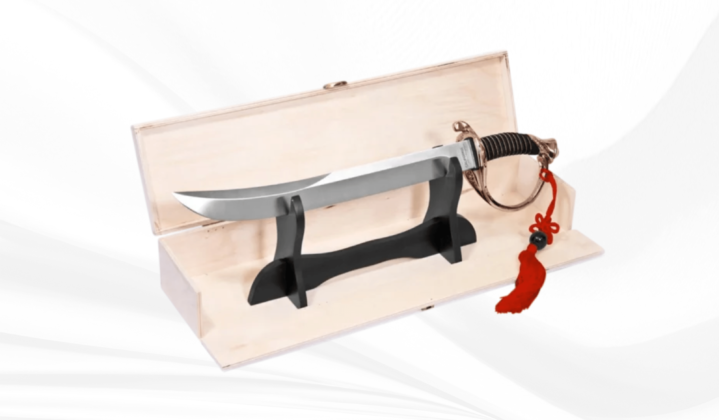
A champagne saber is a ceremonial tool used to open champagne by striking the lip of the bottle at the glass seam. The impact ejects the cork cleanly and the champagne remains safe to drink.
Why sabers are blunt:
Sabrage uses force transfer and momentum along the glass seam. Cutting is not involved, so sharpness would add unnecessary risk without adding performance.
Historical origins:
Sabrage traces back to Napoleonic cavalry traditions in France. Officers reportedly opened champagne on horseback to mark victory. Today, the ritual has migrated into celebratory culture across hospitality, gifting, and events.
Quick Recommendations by User Type
- Beginners – Choose a shorter, lighter stainless steel sabre with a comfortable handle and guard for control.
- Sommeliers & Hospitality – Select a balanced saber with moderate weight and durable steel that tolerates regular use.
- Wedding & Event Hosts – Look for elegant finishes, engravings, and display-ready packaging for ceremonial flair.
- Corporate Gifting – Prioritize customization, presentation cases, and materials that convey luxury value.
- Collectors – Opt for handcrafted or Damascus steel sabers with artisanal detailing and heritage branding.
Steps in Choosing the Perfect Champagne Saber
Step 1: Identify the Occasion and Purpose
Start by determining how the saber will be used. Wedding and event buyers often prioritize elegance, engraving surfaces, and display presentation. Hospitality and sommelier use requires durability, balance, and reliable performance. Collectors seek provenance, craftsmanship, and materials with long term value, while corporate gifting focuses on presentation and customization for brand symbolism.
Step 2: Match Materials to Performance Needs
Blade steel influences durability, maintenance, and visual character. Stainless steel offers corrosion resistance and low upkeep for frequent sabering. Carbon and Damascus appeal to collectors but require more care. Handle materials such as wood, resin, metal, or composites affect grip, aesthetics, and ergonomics.
Step 3: Evaluate Length, Weight, and Balance
A saber’s handling characteristics are determined by blade length, total weight, and center of balance. Lightweight designs provide control for beginners. Midweight designs support sommeliers who saber often. Heavier ceremonial models offer visual impact for staged events and collections.
Step 4: Inspect Build Quality and Structural Design
Construction elements such as the tang, guard, and handle assembly determine long term durability. Full tang construction and a secure guard improve safety and handling during repeated sabering. Decorative sabers with partial tang builds are suitable for occasional ceremonial use or display.
Step 5: Consider Safety and Handling Features
Guards, textured grips, and ergonomic handles help prevent slippage and protect the hand during the upward strike. Guardless models exist but require confidence and technique and are best suited for experienced users.
Step 6: Determine Personalization and Presentation Requirements
Engraving, custom finishes, and presentation cases elevate the saber from a functional tool to a meaningful keepsake. Weddings, anniversaries, and corporate events benefit from engraved names, dates, or logos and from display ready packaging that photographs well.
Step 7: Align With Budget and Brand Preferences
Price correlates with materials, craftsmanship, and provenance. Entry level sabers offer accessible performance for first time users. Mid range and luxury models incorporate premium materials, artisanal detailing, and heritage branding.
At California Champagne Sabers, we offer a curated selection of champagne sabers and champagne to match these needs across celebration, hospitality, collecting, and gifting. Custom engraving is available for milestone events and branding, allowing buyers to pair performance with sentiment and presentation.
How Sabrage Technique Influences Saber Selection

Sabrage relies on momentum rather than cutting force. When the saber follows the bottle’s glass seam and strikes the annulus at the correct angle, the collar ejects cleanly due to internal pressure. This dynamic means the ideal saber must support stroke consistency, control, and predictable force transfer rather than edge sharpness.
Technique variables that influence saber choice:
- Stroke Length: Shorter strokes favor lighter sabers for beginners; longer sweeping motions pair better with mid-weight ceremonial blades.
- Force Transfer: A thicker spine increases momentum transfer and reduces vibration through the hand.
- Bottle Seam Tracking: A straight blade helps maintain alignment along the seam, especially during slow, controlled sabrage.
- Grip Confidence: Textured or contoured handles improve control under cold, wet, or champagne-slick handling conditions.
- Hand Positioning: Saber designs with guards encourage a forward grip, while guardless designs require more refined technique.
These technique components explain why a saber suited for weddings may feel imprecise for hospitality staff and why weighted ceremonial blades shine on staged, dramatic openings rather than back-to-back bottle service.
Blade Geometry and Handle Ergonomics Explained
Two aspects of saber construction influence performance more than buyers expect: blade geometry and handle ergonomics.
Blade Geometry
Functional sabers share common geometry characteristics:
- Straight vs Slightly Curved: Straight blades improve seam tracking; curved blades offer theatrical aesthetics for ceremonial use.
- Spine Thickness: Thick spines generate smoother energy transfer and reduce bounce upon impact.
- Bevel Profile: A blunt bevel provides a wide surface area for contact without increasing risk.
- Tip Shape: Rounded or squared tips are safer for hospitality environments and prevent accidental piercing.
Handle Ergonomics
The handle determines how the saber behaves in the hand:
- Grip Diameter: Larger diameters reduce finger fatigue for repeated sabrage; slimmer grips favor precision.
- Handle Weight: Weighted handles shift the center of balance toward the grip for control; blade-biased balance increases momentum for theatrical strikes.
- Guard Designs: Single quillon guards protect knuckles; fully guardless designs are best reserved for experienced users.
- Finish & Texture: Polished metal looks sleek but becomes slippery; wood and resin offer tackier grip and better moisture control.
Ergonomics can turn a decorative saber into a functional tool or elevate a performance saber into a professional instrument.
Matching Saber Length to Bottle Format
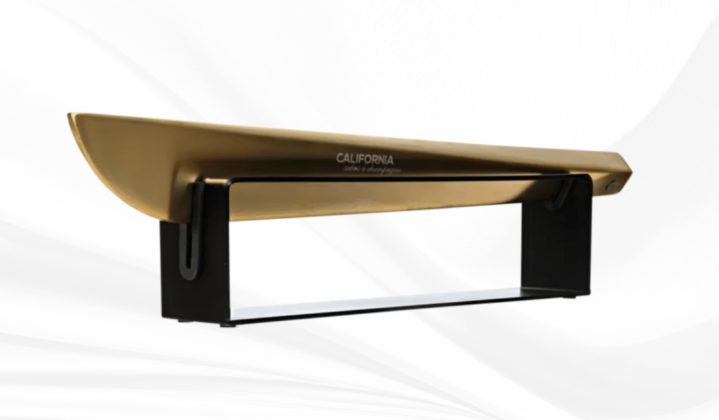
Bottle format directly impacts blade length, momentum, and control. Most casual sabrage occurs on 750ml bottles, but events frequently involve large formats for impact and spectacle.
Recommended lengths by bottle size:
- 750ml: 10–12 inch blade provides optimal control.
- Magnum (1.5L): 12–14 inch blade for wider travel distance.
- Jeroboam (3L): 14–16 inch blade for increased stroke length and leverage.
- Methuselah (6L) and beyond: ceremonial sabers 16–18+ inches with heavy spine recommended for force generation.
The larger the format, the higher the internal pressure and seam thickness, making controlled energy transfer more critical. Lightweight sabers often underperform on magnum and above formats due to insufficient momentum.
Champagne Saber Safety Standards and Risk Management
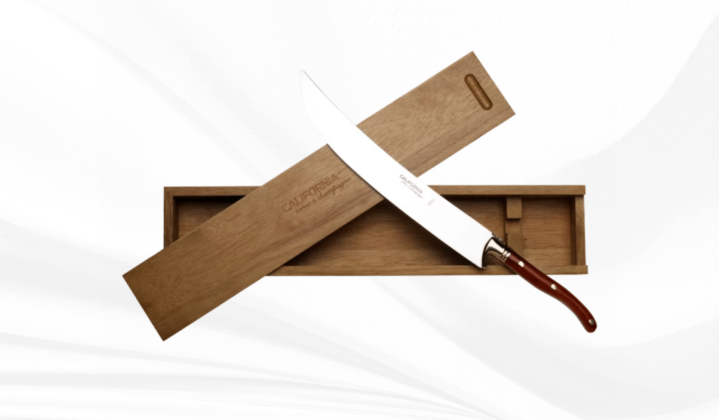
Sabrage involves pressurized glass; proper safety ensures both enjoyment and photographic appeal during events.
Safety considerations when selecting sabers:
- Blunt Edge Requirement: Sharp blades introduce shattering risk and are not recommended for sabrage.
- Guarded Handles: Guards reduce strike-slip injuries during upward motion.
- Gripping Surfaces: Textured surfaces prevent rotational loss of control.
- Bottle Chill: Champagne should be chilled to reduce pressure and improve cork ejection stability.
- Environment: Open outdoor or staged event settings reduce risk of stray cork impact.
- Audience Distance: A minimum 10–15 foot clearance prevents cork strike injuries.
Venues and hospitality groups increasingly require guarded, non-sharp sabers for demonstrations, especially for weddings and corporate activations.
Authenticity, Provenance, and Counterfeit Avoidance
At the luxury and collector tier, heritage and provenance influence both value and authenticity. Buyers frequently encounter counterfeit or unbranded sabers marketed as artisan products without proper identifiers.
Key authenticity markers include:
- Manufacturer Hallmarks: Genuine European workshops stamp tangs, spines, or ricassos with maker marks.
- Regional Production: Laguiole-style sabers, Spanish forges, and Italian artisan shops each carry distinctive design conventions.
- Material Disclosure: True Damascus contains layered steel, not laser-etched patterns commonly found on budget models.
- Fit and Finish: Hand-finished guards, pinned scales, and contoured grips signal craftsmanship.
- Packaging and Certificates: Collectors often seek serialized certificates or workshop authentication.
For high-visibility gifting, provenance affects perceived value as much as performance.
Gifting and Personalization Use Cases
Engraving transforms sabers into symbolic artifacts rather than pure tools, but personalization also varies by context.
High-value gifting scenarios include:
- Weddings: Names, dates, or vows engraved into blade or guard; often paired with presentation cases.
- Corporate Milestones: Logo engravings for client gifting, brand activation, and hospitality sponsorships.
- Anniversaries & Promotions: Luxury sabers serve as achievement recognition gifts.
- Sommelier Graduation: A symbolic tool marking entrance into profession.
- Collector Display: Display plaques, wall mounts, and presentation stands elevate visual significance.
These use cases create ranking opportunities for transactional queries such as:
“engraved champagne saber,” “personalized champagne saber,” “champagne saber gift,” “wedding champagne saber,” and “corporate champagne gift.”
Care, Maintenance, and Display Preservation
A saber used for sabrage encounters cold, sugar residue, carbonation, and moisture—conditions that demand basic upkeep.
Maintenance priorities include:
- Cleaning: Rinse after sabrage to prevent sticky buildup on guards and scales.
- Drying: Hand-drying prevents condensation staining and surface spotting.
- Corrosion Control: Carbon and Damascus steels require periodic oiling to prevent oxidation.
- Handle Care: Wood handles benefit from conditioning oils; metal handles tolerate harsher cleaning.
- Storage: Display mounts prevent warping and present the saber as decor between uses.
- Engraving Protection: Avoid abrasive cleaners on engraved surfaces to maintain clarity.
Proper care ensures performance longevity and display quality, especially for engraved heirloom pieces.
Saber Type Comparison by Use Case
| Saber Type | Best For | Advantages | Considerations |
| Stainless Steel | Beginners, hospitality | Low maintenance, corrosion-resistant | Less collectible |
| Carbon Steel | Performance + enthusiasts | Strong spine, classic aesthetic | Requires oiling |
| Damascus Steel | Collectors, gifting | Unique patterns, artisanal | High cost, care required |
| Wood Handle | Weddings, tradition | Warm tactile grip | Sensitive to moisture |
| Metal Handle | Modern events, hospitality | Durable, sleek | Can be slippery when wet |
| Weighted Ceremonial | Stage, large formats | Visual impact, force | Requires technique |
| Lightweight Hospitality | Repetitive sabrage | Precision + fatigue reduction | Less dramatic flair |
Frequently Asked Questions
1. Is it safe to drink champagne after sabering?
Drinking champagne after sabering is considered safe when the process is executed correctly. The force and technique used in sabering create a clean break at the neck of the bottle, with the pressure inside the bottle pushing out any potential glass shards along with the cork. This natural expulsion helps keep the champagne uncontaminated. However, it’s recommended to inspect the first pour carefully to ensure that no glass fragments remain. To further reduce any risk, you can pour the first glass away from guests and check for clarity before serving.
2. Does champagne need to be cold to saber?
For a successful sabering experience, the champagne must be properly chilled. A cold bottle is crucial because the lower temperature increases the internal pressure, which facilitates a clean break when the saber strikes the glass. Ideally, the champagne should be refrigerated for several hours before sabering, reaching a temperature between 38°F and 45°F (3°C to 7°C). The chill not only helps with the clean break but also ensures the champagne retains its effervescence and flavor profile, making the celebration as enjoyable as possible.
3. Does sabering champagne break the glass?
Yes, sabering does involve breaking the glass, specifically at the neck of the bottle. When performed correctly, the saber’s impact causes the glass to break cleanly along the seam, removing the top of the bottle along with the cork. This technique relies on the internal pressure of the chilled champagne to help create a precise, controlled break. The glass should shatter away from the bottle in a way that leaves the champagne inside uncontaminated. The key to preventing unwanted glass shards is proper technique and ensuring the bottle is adequately chilled before sabering.
4. What is the champagne sword called?
The sword used in the sabering process is referred to as a “champagne saber.” This specialized tool is designed for the specific purpose of opening champagne bottles with a dramatic flourish. Unlike traditional swords, the champagne saber typically has a blunt edge, focusing on the force of the strike rather than cutting through the cork. The design of the saber often reflects a blend of functionality and ceremonial elegance, making it both a tool and a symbol of celebration.
5. Who started sabering champagne?
The tradition of sabering champagne is believed to have originated with the cavalry officers of Napoleon Bonaparte’s army. After their military victories, these officers would celebrate by opening bottles of champagne with their sabers, a gesture that symbolized both their triumph and the luxurious spoils of war. This practice quickly became a popular tradition among the French elite and has since evolved into a ceremonial act enjoyed by champagne enthusiasts around the world. The ritual of sabering has maintained its association with celebration, luxury, and a sense of occasion, making it a timeless tradition that adds flair to any event.
Can you saber sparkling wines other than champagne?
Yes. Prosecco, cava, and other sparkling wines can be sabered if properly chilled. The key requirement is adequate carbonation and bottle pressure, since the force of sabrage depends on internal pressure to create a clean break. Traditional champagne bottles are thicker and more structurally reinforced, which is why they generally produce more consistent results. If using Prosecco or cava, select a bottle that has been chilled to between 3°C and 7°C and avoid bottles with visibly thin necks. Outdoor sabering is recommended for non-champagne sparkling wines due to variations in glass strength and carbonation.
Selecting the Right Saber for Your Occasion
The right champagne saber transforms celebration into ceremony. By aligning blade material, weight, craftsmanship, and design with the intended use, buyers can ensure both spectacle and safety. Whether for a wedding, a cellar collection, hospitality service, or a corporate gift, the ideal saber enhances the ritual and elevates the moment. At California Champagne Sabers, we offer a curated collection of champagne sabers and champagne to support both performance and presentation. Custom engraving is also available for weddings, anniversaries, corporate gifting, and other milestone occasions, allowing each saber to serve as both a functional tool and a meaningful keepsake.