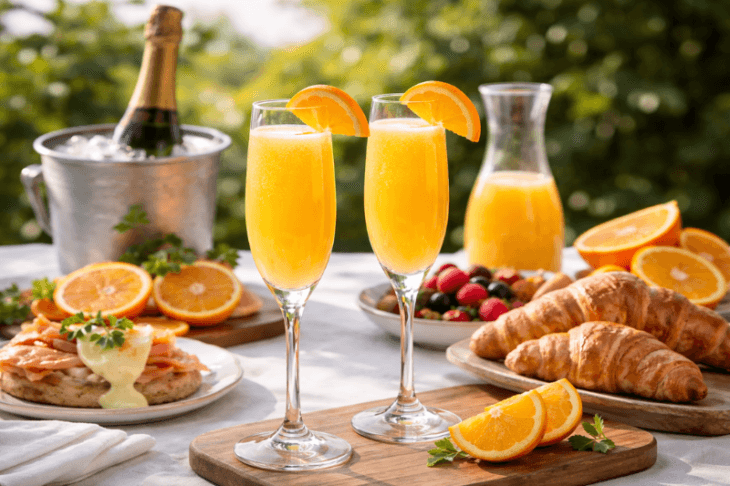
Best Champagne for Mimosas: How to Choose the Right Bottle for the Perfect Brunch Cocktail
The best sparkling wine for mimosas is usually a dry, affordable bottle rather than an expensive prestige Champagne. For most brunches, a chilled Brut Cava, Brut Prosecco, or crisp domestic sparkling wine gives better balance with orange juice and better overall value than a costly vintage bottle. If you want the safest starting point, choose Brut and use fresh, cold orange juice.
A mimosa is simple, which is exactly why bottle choice matters. With only sparkling wine and juice in the glass, sweetness, acidity, mousse, and fruit character are immediately noticeable. The right bottle keeps the drink bright and refreshing. The wrong one makes it flat, sugary, or forgettable.
Key Takeaways
- Brut is usually the best style for mimosas because it balances orange juice without making the drink too sweet.
- Cava is often the strongest value pick for mimosas.
- Prosecco works well if you want a fruitier, softer brunch cocktail.
- Classic mimosa ratio is 1:1, but many people prefer more sparkling wine and less juice.
- Fresh, well-chilled orange juice can improve the drink more than overspending on the bottle.
The Origin and Popularity of Mimosas
The mimosa became popular as a light sparkling cocktail associated with brunch, celebrations, and easy daytime entertaining. Its appeal comes from its simplicity. It feels festive without being complicated, and it is approachable even for people who do not usually drink sparkling wine on its own.
That popularity also explains why bottle choice matters so much. Because the drink is so minimal, the sparkling wine has to do real work. It needs enough acidity, freshness, and structure to stay lively once it meets the juice.
What Is the Best Sparkling Wine for Mimosas?
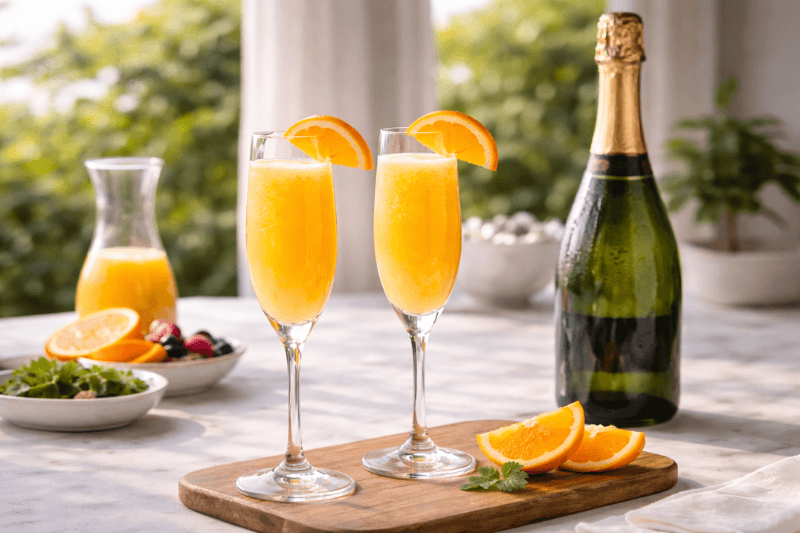
- Brut sparkling wine is the best choice for most readers because it has enough dryness to balance orange juice sweetness while keeping the drink lively and crisp.
- Campo Viejo Cava Brut Reserva is one of the strongest overall value options because it is dry, crisp, affordable, and structured enough to hold up to juice.
- Korbel Brut is a reliable budget option because it is inexpensive, citrus-friendly, and easy to find. André Brut can also work as an ultra-budget pick when cost matters more than refinement.
- Prosecco is the easiest alternative if you prefer a fruitier style. Bottles such as Zardetto Prosecco Brut are often suggested because they bring floral, fruity notes without making the drink feel heavy.
- Non-vintage Brut Champagne such as Veuve Clicquot Brut or Moët & Chandon Impérial Brut is a better premium choice than opening a prestige cuvée for a mixed drink.
Understanding Champagne and Sparkling Wines
Champagne is a sparkling wine, but not all sparkling wine is Champagne. True Champagne comes only from the Champagne region of France and follows strict production rules. That regional identity gives it prestige, but it does not automatically make it the best choice for every mimosa.
Other sparkling wines can work just as well, or better, depending on the style you want. Cava is often dry and structured, Prosecco is usually fruitier and softer, and domestic sparkling wine can offer a practical middle ground. For mimosas, the key is not prestige. It is balance.
Champagne vs Prosecco vs Cava for Mimosas
| Sparkling wine type | What it offers in a mimosa | Best for |
| Champagne | More refined, with stronger structure, finer mousse, and more layered flavour | Smaller, more upscale brunches |
| Prosecco | Fruitier and softer, with pear, apple, citrus, and floral notes | Easy-drinking, fruit-forward mimosas |
| Cava | Dry, crisp, food-friendly, and structured enough to stand up to orange juice without tasting heavy | Best all-round value and reliable classic mimosas |
| Domestic sparkling wine | Practical middle ground that can outperform a mediocre imported bottle in mixed drinks | Brunches where you want dependable quality without paying for Champagne |
Cava is often the most reliable all-round choice, Prosecco suits fruitier brunch cocktails, and non-vintage Brut Champagne works best for a more premium mimosa.
Do You Need Real Champagne for a Mimosa?
No. Real Champagne is not necessary for a good mimosa.
Champagne offers depth, acidity, and a more layered texture, but orange juice softens much of that nuance. That is why bottle style matters more than prestige for most brunch cocktails. A dry, crisp sparkling wine usually gives a better result than an expensive bottle chosen only for the label.
Use real Champagne when:
- you want a splurge brunch
- you are using a lighter juice ratio so the wine still shows
- the occasion calls for a more premium presentation
Skip expensive Champagne when:
- you are serving a crowd
- the drink is juice-forward
- you are building a mimosa bar
- value matters more than status
Brut, Extra Dry, or Dry: Which Sweetness Level Works Best?
Brut is usually best.
Sparkling wine sweetness labels can confuse people because Brut is drier than Extra Dry, and Extra Dry is drier than Dry. For mimosas, that matters because orange juice already brings sugar. You want a wine that keeps the drink crisp rather than one that makes it cloying.
Why Brut works best:
- orange juice already adds sweetness
- higher perceived dryness keeps the drink fresh
- citrus flavours show more clearly against a crisp base
When Extra Dry can work:
- your juice is especially tart
- your guests prefer softer, fruitier cocktails
- you want a gentler brunch style
What to avoid:
- sweet sparkling wine
- Demi-Sec for a classic mimosa
- anything low-acid or syrupy
The main rule is simple: Brut is key because it gives the balance most mimosas need.
What Price Range Makes Sense for Mimosas?
For a standard brunch, the smartest range is affordable to mid-range, not luxury.
At the lower end, bottles like Korbel Brut, Campo Viejo Cava Brut Reserva, and entry-level Brut domestic sparkling wines often give exactly what a mimosa needs: citrus lift, freshness, and enough structure to avoid tasting thin.
In the mid-range, quality usually steps up. This range works well for:
- bridal showers
- holiday brunches
- smaller groups
- hosts who want a more polished finish
At the premium end, Veuve Clicquot Brut or Moët & Chandon Impérial Brut make sense only when the wine itself will still be noticeable in the final drink. Once you are mixing a 50/50 mimosa with premium Champagne, value drops quickly.
The Best Mimosa Ratio for Flavour and Balance
The classic mimosa ratio is 1:1, sparkling wine to orange juice. That is still the standard reference and the safest ratio for traditional brunch service.
But classic does not always mean best for every palate.
If you want a drier, brighter drink, use 2 parts sparkling wine to 1 part orange juice. That keeps the fizz more prominent and stops the drink from becoming too juice-heavy.
A practical guide:
- 1:1 for a classic mimosa
- 2:1 for a more wine-led, less sweet version
- 1:2 only if you want a very light, juice-forward drink
The sweeter the juice, the less of it you usually need.
The Orange Juice Matters More Than Most People Think
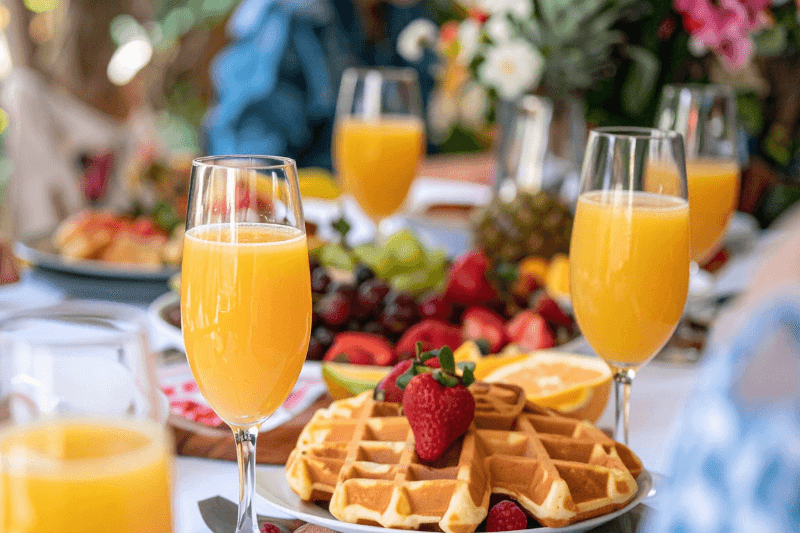
A mediocre bottle can still make a decent mimosa. Poor orange juice cannot.
For the best result, use fresh-squeezed orange juice and make sure both the juice and the sparkling wine are thoroughly chilled. That combination improves brightness, aroma, and texture more than simply buying a more expensive bottle.
Pulp level also changes the drink:
- pulp-free gives a smoother texture
- some pulp feels fresher and more homemade
- heavy pulp can interfere with the bubbles
Classic orange juice remains the benchmark because its sweetness and acidity naturally suit dry sparkling wine. Grapefruit, peach, cranberry, and pineapple can work, but they should be treated as variations rather than the default.
How to Serve Mimosas Properly
Serving technique has a real effect on how the drink tastes. Even a good bottle can fall flat if the temperature is wrong or the pour is too rough.
Start with both ingredients fully chilled. Pour gently so the sparkling wine keeps its lift. Serve straight away rather than letting the drink sit and lose energy in the glass.
Choosing the Right Glassware
A flute is the most practical choice for mimosas because it looks classic and helps preserve the drink’s bubbles. If you want a slightly more refined presentation, a tulip-shaped sparkling wine glass can give you a bit more aroma while still keeping the drink elegant.
The best choice is the one that keeps the drink cold, fizzy, and easy to serve.
Preparation and Serving Temperature
Temperature affects fizz retention, freshness, and perceived sweetness. Warm juice or warm sparkling wine will make a mimosa feel dull and heavier than it should.
Chill both ingredients well before serving. That keeps the drink sharper, more refreshing, and better balanced.
Garnishing Your Mimosas
Keep garnish simple. A thin orange slice or a twist is enough. The drink should feel clean, bright, and easy to drink.
Heavy garnishes or too many add-ons can make the mimosa feel more decorative than refreshing.
Mimosa vs Buck’s Fizz: What Is the Difference?
A mimosa is usually equal parts sparkling wine and orange juice. A Buck’s Fizz is typically stronger, with more sparkling wine and less juice.
That difference changes the drink’s character. A mimosa feels lighter and more brunch-friendly. A Buck’s Fizz feels more wine-led and celebratory.
How to Build a Mimosa Bar
A mimosa bar works best when it stays simple. Offer one or two dry sparkling wines, keep all bottles and juices thoroughly chilled, and give guests a few juice choices rather than too many.
Orange juice should stay the main option, but peach, grapefruit, cranberry, or pineapple can add variety. Keep garnishes minimal and let guests build their own ratios. If you are serving a crowd, Cava is often the smartest base bottle because it keeps the bar affordable without making the drinks taste thin.
Creative Variations and Seasonal Mimosas
Classic orange mimosas should remain the main version in an article like this, but a few variations can broaden search intent and help with brunch hosting ideas.
For spring, peach or strawberry variations feel fresh and soft. In summer, pineapple or mango can create a brighter tropical style. In autumn, apple cider can create a richer seasonal version. In winter, cranberry or pomegranate gives a sharper, more festive feel.
These work best when the sparkling wine stays dry. Once both the juice and the bottle lean sweet, the drink can lose its freshness.
Food Pairings with Mimosas
Mimosas pair well with classic brunch foods because acidity and bubbles help lighten richer dishes.
They work especially well with:
- eggs Benedict
- quiche
- smoked salmon
- pastries
- French toast
- fresh fruit
The best pairings balance richness, salt, and light sweetness without overpowering the drink.
Best Bottles for Different Mimosa Occasions
For a casual weekend brunch, choose Korbel Brut, Campo Viejo Cava Brut Reserva, or a solid Brut Prosecco.
For a large mimosa bar, Cava is often the smartest answer because it keeps cost under control without sacrificing structure.
For a bridal shower or holiday brunch, a polished domestic Brut or Mumm Napa Brut Prestige works well.
For a luxury brunch, choose Veuve Clicquot Brut or Moët & Chandon Impérial Brut and keep the juice ratio lighter so the wine still shows.
The best bottle is the one that matches the occasion, the ratio, and the budget.
Common Mistakes That Ruin Mimosas
The biggest mistake is choosing a bottle that is too sweet. Orange juice already provides sugar, so sweet sparkling wine can make the drink feel heavy.
The second mistake is using poor juice. Too much sweetness, weak acidity, or a dull processed flavour can flatten the cocktail even if the wine is good.
Other common errors include:
- serving either ingredient warm
- adding too much juice
- using expensive Champagne whose subtleties disappear in the mix
- pouring too aggressively and losing carbonation
- overcomplicating the drink with too many extras
A good mimosa is simple. Precision matters more than embellishment.
Frequently Asked Questions
Is Prosecco or Champagne better for mimosas?
For value and everyday brunches, Prosecco often makes more sense. For a splurge occasion, Champagne can feel more refined.
Is Cava best for mimosas?
Very often, yes. Cava is widely recommended because it offers dryness, structure, and strong value.
Is Brut or Extra Dry better for mimosas?
Brut is usually better because it keeps the drink fresher and less sweet.
Can you use cheap sparkling wine for mimosas?
Yes, as long as it is dry, clean, and properly chilled. A smart affordable bottle often performs better than an expensive but badly matched one.
What is the best orange juice for mimosas?
Fresh-squeezed, cold orange juice with balanced sweetness and acidity is usually best.
Should mimosas be 50/50?
That is the classic ratio, but many people prefer more sparkling wine and less juice.
Can you make mimosas ahead of time?
It is better to pre-chill the ingredients and mix just before serving so the sparkling wine keeps its lift.
How many mimosas are in one bottle?
At a classic 1:1 ratio, one 750 ml bottle usually makes about eight mimosas.
For most brunches, the smartest mimosa bottle is not the most expensive one. It is the dry, crisp, well-chilled sparkling wine that balances the juice, suits the occasion, and stays refreshing from the first pour to the last sip.
Conclusion
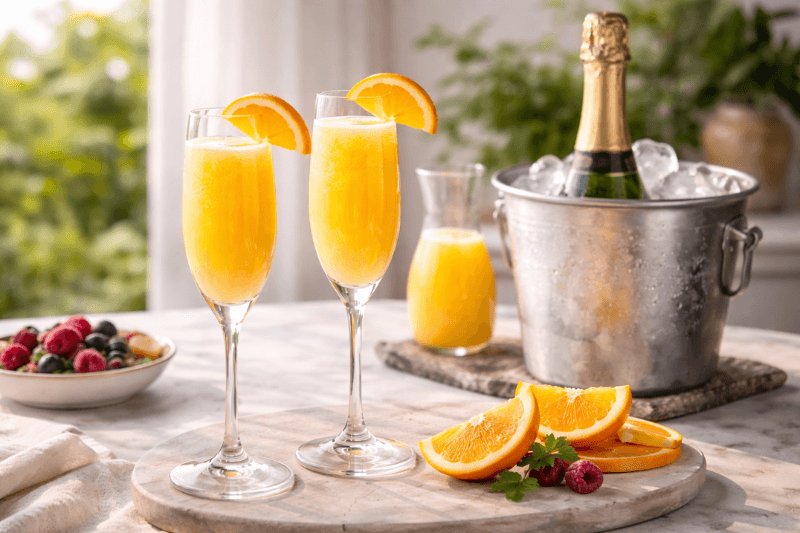
The best Champagne for mimosas is not always Champagne at all. For most brunches, a dry Brut sparkling wine gives the best balance, the best value, and the cleanest result in the glass. Cava is often the smartest all-round pick, Prosecco suits a fruitier and softer style, and non-vintage Brut Champagne makes the most sense when the occasion calls for something more premium.
What matters most is not prestige alone. It is how well the bottle works with the juice. A crisp, well-chilled sparkling wine, a thoughtful ratio, and fresh orange juice will do more for your mimosa than spending heavily on a label whose subtleties may disappear once mixed. When those elements are in balance, the drink stays bright, refreshing, and worthy of the brunch table.
At California Champagne Sabers, we offer a collection of Brut Champagne bottles and champagne sabers designed to make celebrations feel even more memorable, whether you are hosting brunch, marking a milestone, or choosing a distinctive gift. To explore our collection or find the right bottle for your occasion, contact us today.