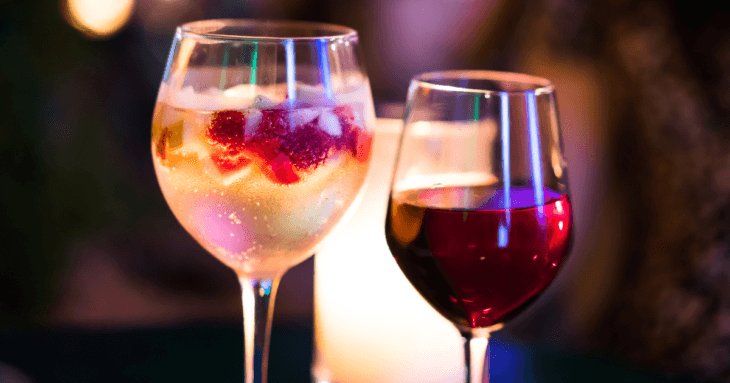
Champagne Cocktails: 10 Recipes to Try at Home
Champagne cocktails are drinks built by combining chilled Champagne with a small addition like bitters, liqueur, citrus, juice, syrup, sorbet, or beer. The best Champagne cocktails for home include the Classic Champagne Cocktail, French 75, Kir Royale, Mimosa, Bellini, Aperitivo Spritz, Sgroppino, Raspberry Royale, Black Velvet, and a Pomegranate Rosemary Sparkler. For the best results, chill the bottle and glassware, measure sweet ingredients, and pour Champagne slowly down the side of the glass to protect carbonation.
Champagne cocktails have a special kind of magic: they look elegant, feel festive, and they are surprisingly easy to pull off at home when you know a few bubble-protecting rules. They scale beautifully, from a quiet two-glass toast to a full brunch table where everyone wants “something fizzy.”
1) Classic Champagne Cocktail

Profile: retro, aromatic, lightly spiced.
Best with: Brut or Extra Brut Champagne.
Ingredients (1 drink)
- 1 sugar cube
- 2 dashes Angostura bitters
- 10 ml (2 tsp) cognac or brandy
- 90 to 120 ml chilled Champagne
- Orange twist (garnish)
Method
- Add the sugar cube to a flute or tulip glass.
- Saturate with bitters.
- Add cognac.
- Top slowly with Champagne, pouring down the side.
- Express orange peel over the top, then garnish.
Upgrade idea: Use orange bitters plus a thinner lemon peel for a brighter, less “baking spice” finish.
2) French 75
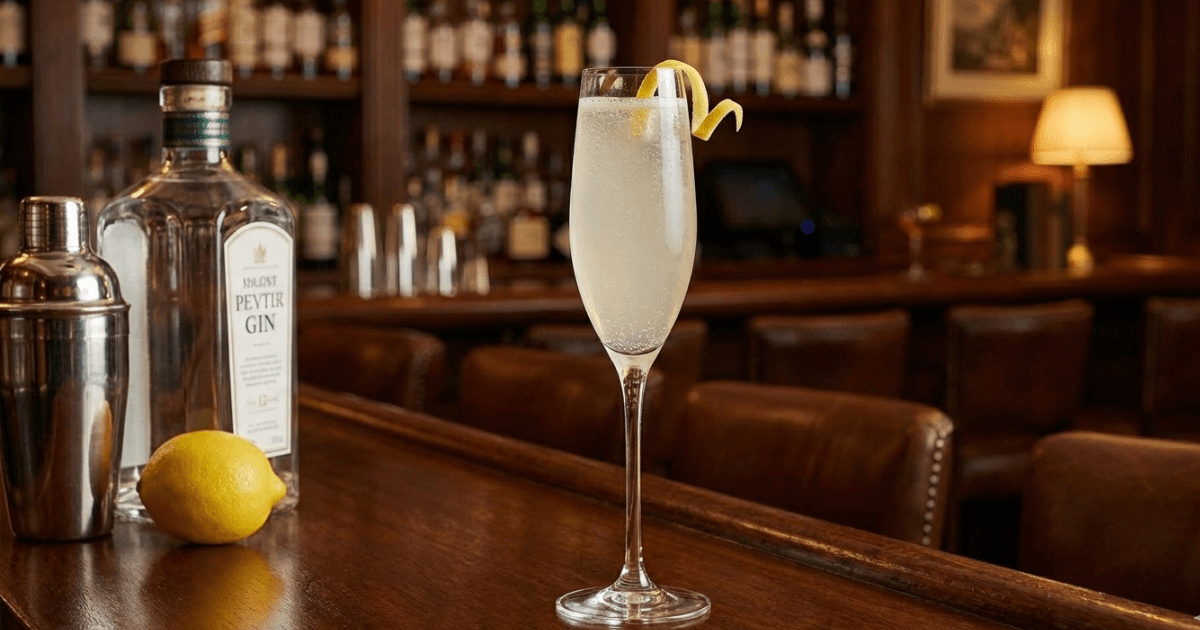
Profile: crisp, citrusy, deceptively strong.
Note on history: The French 75 is widely documented as a gin, lemon, sugar, Champagne build popularized through early 20th-century cocktail books and later bartending tradition.
Ingredients (1 drink)
- 30 ml gin
- 15 ml fresh lemon juice
- 10 ml simple syrup
- 90 ml chilled Champagne
- Lemon twist
Method
- Shake gin, lemon, and syrup with ice for 8 to 10 seconds.
- Strain into a chilled flute or tulip.
- Top with Champagne gently.
- Garnish with lemon twist.
Batching win: Pre-mix gin, lemon, and syrup in a bottle, chill it hard, then pour and top with Champagne per glass.
3) Kir Royale
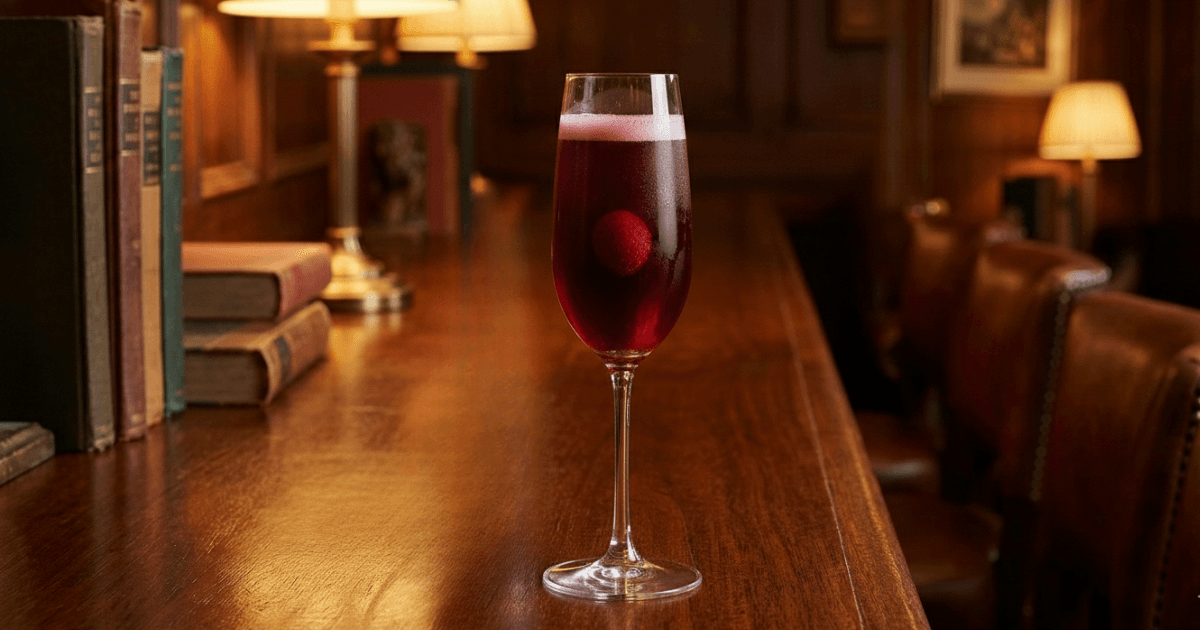
Profile: elegant, dark-berry, minimal effort.
Best with: Extra Brut or Brut (cassis adds sweetness).
Ingredients
- 10 to 15 ml crème de cassis
- 90 to 120 ml chilled Champagne
- Blackberry (optional)
Method
- Add cassis to the glass first.
- Top slowly with Champagne to avoid foaming and to naturally blend.
- Garnish lightly.
Upgrade idea: Add a tiny lemon peel expression to sharpen the berry.
4) Mimosa
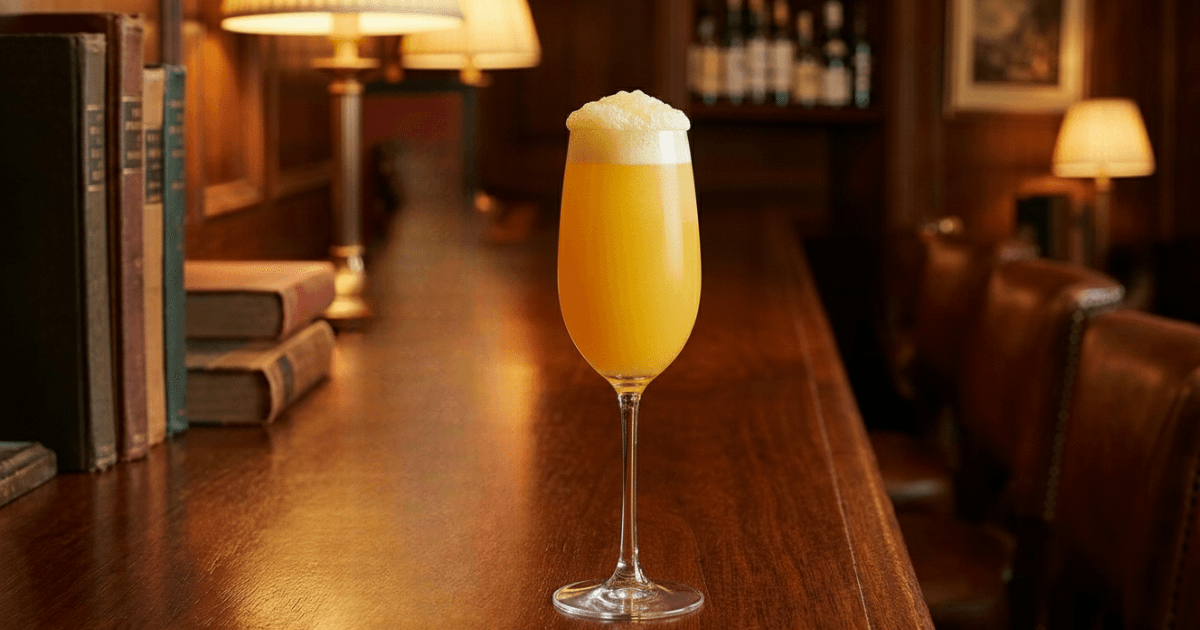
Profile: bright brunch classic.
Ratio guidance (simple): More Champagne tastes more adult and stays lively longer.
Ingredients
- 60 ml cold orange juice (prefer low pulp)
- 90 ml chilled Champagne
Method
- Add juice first.
- Top with Champagne slowly.
- One gentle lift with a bar spoon if needed, not a stir.
Upgrade idea: Add 5 ml Cointreau for a “grown-up mimosa” that tastes like candied orange peel.
5) Bellini
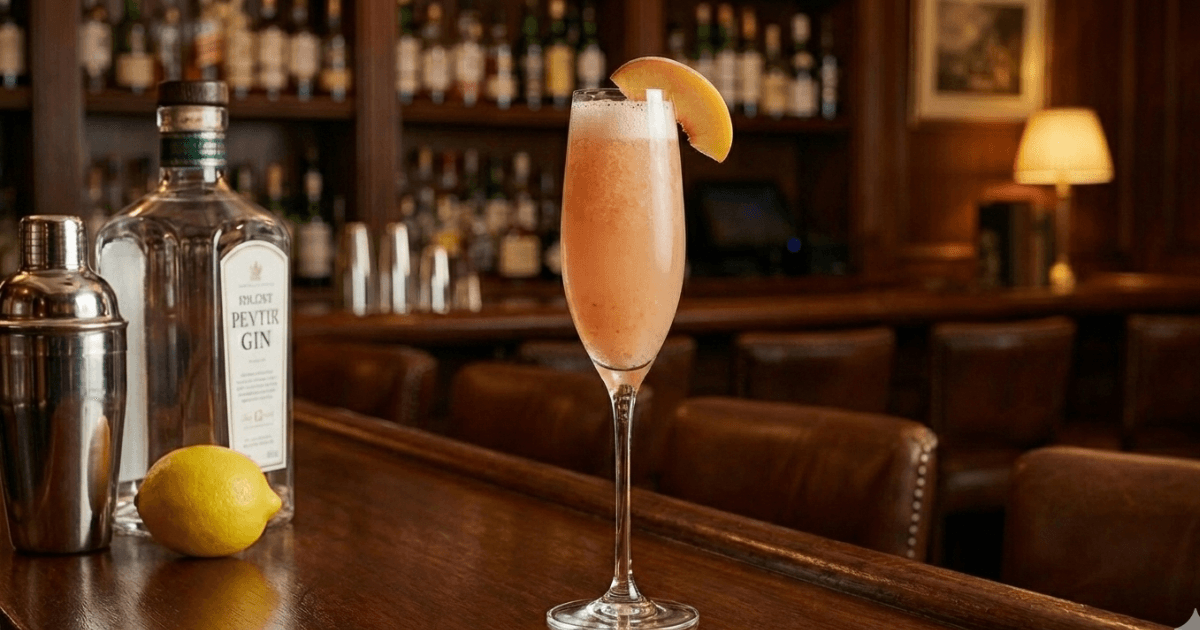
Profile: fruit-forward, soft, celebratory.
Best with: Brut or Extra Brut.
Ingredients
- 45 ml peach purée (or mango purée)
- 90 ml chilled Champagne
Method
- Add purée to the glass.
- Add a small splash of Champagne and lightly fold to loosen texture.
- Top with the remaining Champagne.
Texture hack: Use frozen fruit, blend briefly, then let it thaw slightly so it is silky instead of icy-grainy.
6) Aperitivo Champagne Spritz
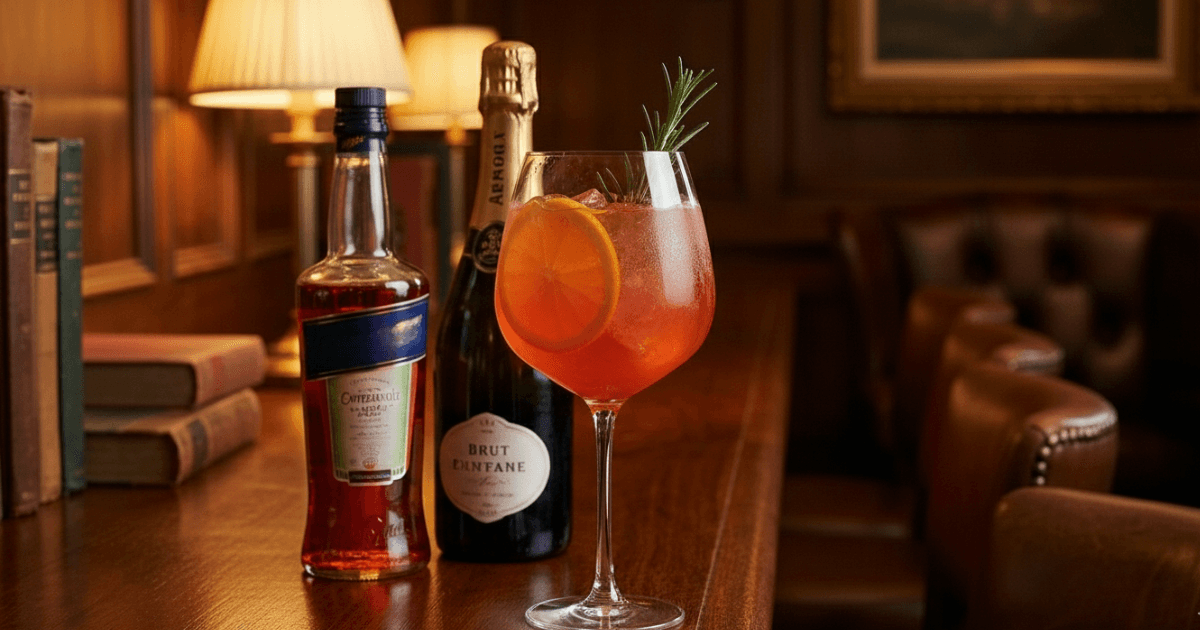
Profile: bitter-sweet, refreshing, party-friendly.
Ingredients
- 45 ml Aperol (or 30 ml Campari for more bitterness)
- 15 to 30 ml sparkling water
- 90 ml chilled Champagne
- Orange slice
Method
- Build in a wine glass with ice.
- Add aperitivo, then sparkling water.
- Top with Champagne.
- Garnish with orange.
Upgrade idea: Express orange peel over the drink before dropping the slice in. Aroma is half the experience.
7) Sgroppino
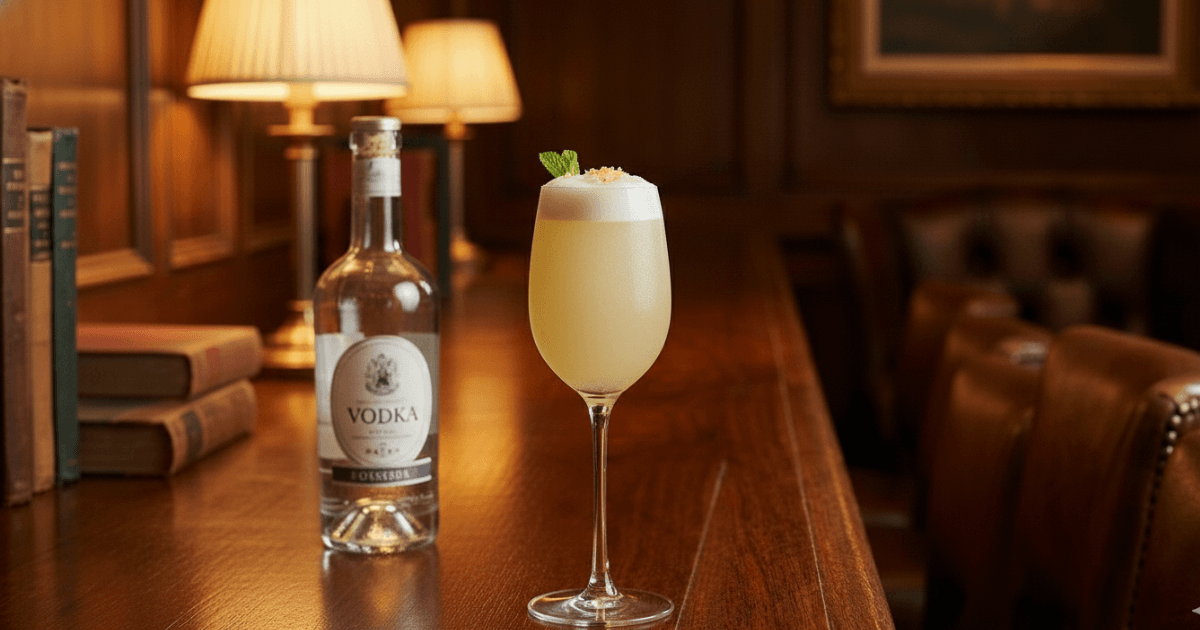
Profile: dessert-meets-palate-cleanser.
Ingredients
- 1 small scoop lemon sorbet
- 15 ml vodka
- 90 ml chilled Champagne
Method
- Add sorbet to a chilled glass.
- Pour vodka over sorbet.
- Top with Champagne and let it foam gently.
Upgrade idea: Add a few drops of limoncello instead of vodka for a softer, more Italian finish.
8) Raspberry Royale
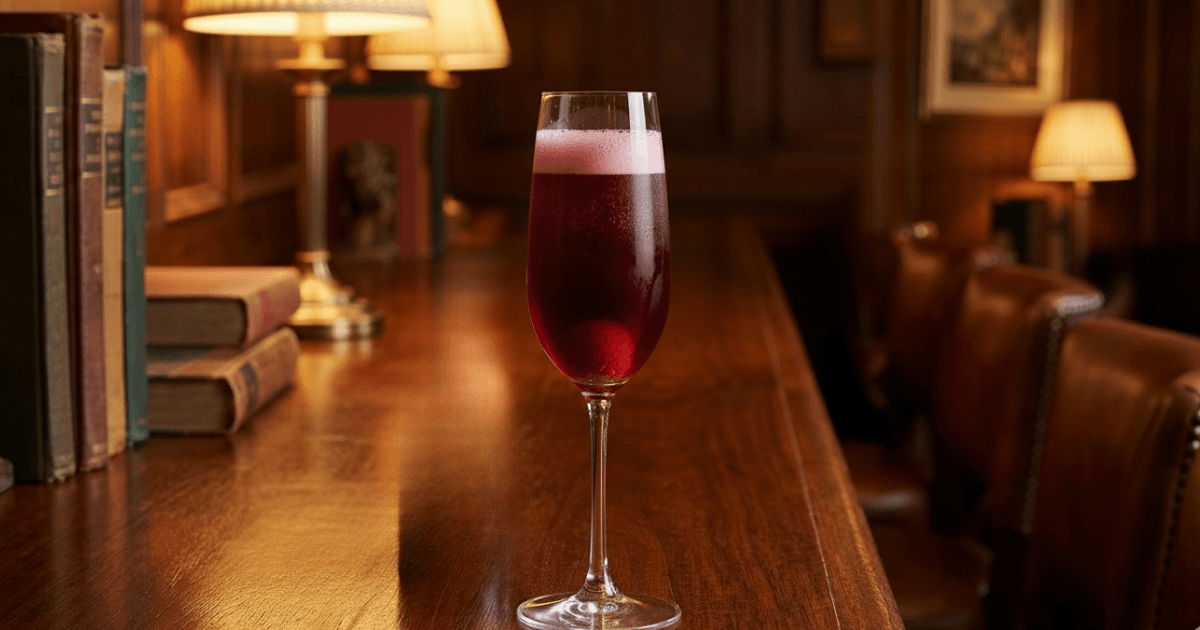
Profile: vivid berry, wedding-reception energy.
Ingredients
- 4 raspberries (fresh or thawed)
- 15 ml raspberry liqueur (like Chambord)
- 90 ml chilled Champagne
Method
- Add raspberries to the glass and gently bruise once or twice.
- Add liqueur.
- Top with Champagne.
Cleaner version: Use raspberry syrup instead of muddling if you want zero seeds.
9) Black Velvet
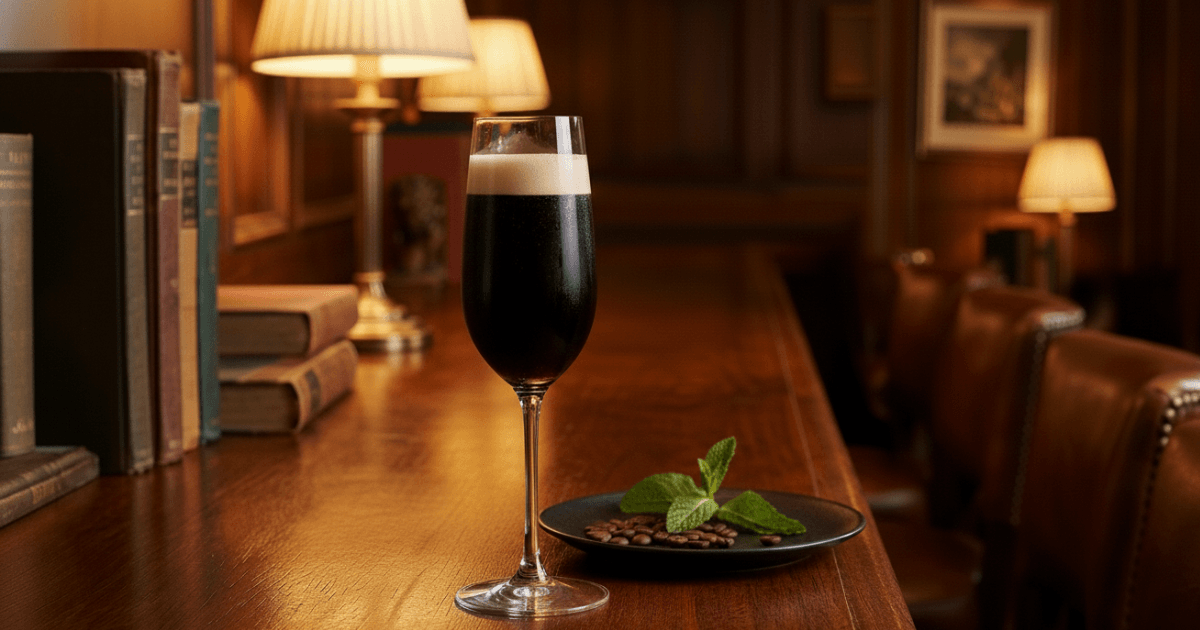
Profile: dramatic, creamy, surprisingly balanced.
Ingredients
- 60 ml chilled stout or porter
- 60 ml chilled Champagne
Method (layering)
- Add stout to the flute first.
- Very slowly top with Champagne, pouring over the back of a spoon if you want a clear layer.
What works best: smoother stouts and chocolate-leaning porters tend to integrate more pleasantly than sharply bitter styles.
10) Pomegranate Rosemary Sparkler
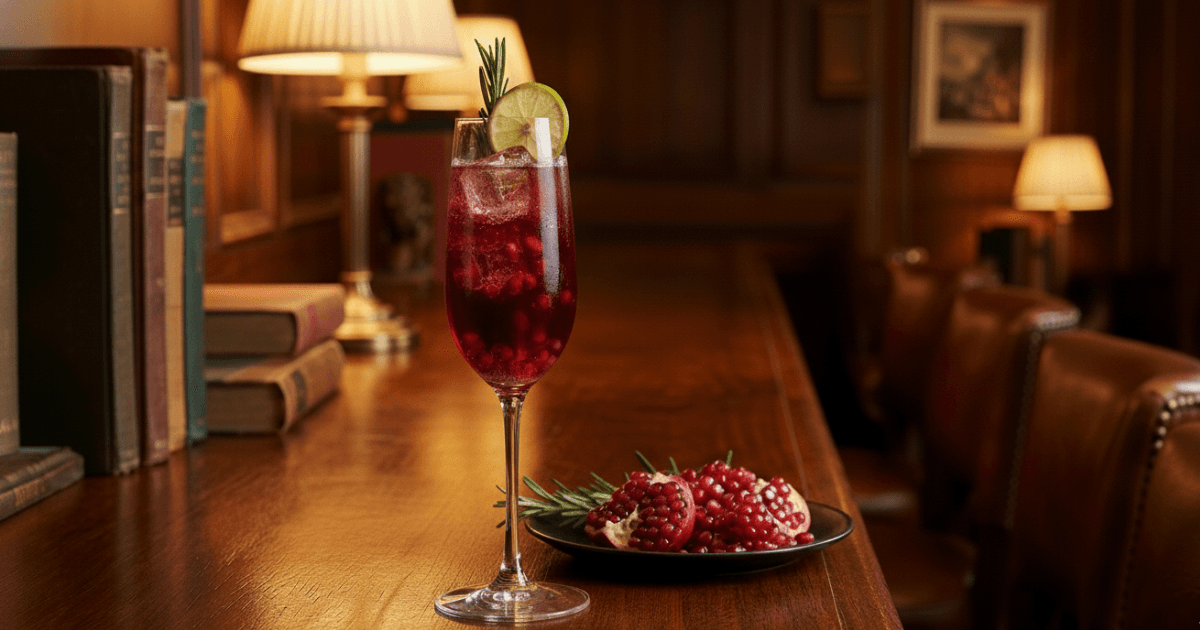
Profile: festive, aromatic, holiday-ready.
Ingredients
- 20 ml pomegranate syrup (or reduced pomegranate juice)
- 90 ml chilled Champagne
- Rosemary sprig
- Optional: pomegranate arils
Method
- Add syrup to the glass.
- Top with Champagne slowly.
- Clap rosemary between your hands once (quick aroma release), then garnish.
Upgrade idea: Add a tiny pinch of salt to the syrup before serving. It makes fruit taste more vivid.
Champagne vs Sparkling Wine for Cocktails
“Champagne” is a legally protected term in many places, reserved for sparkling wine produced in the Champagne region under specific rules. That matters for cocktails because Champagne often brings a distinctive texture and flavor profile that stands up to mixers: finer mousse, citrus and orchard fruit, and sometimes toasty notes.
Practical rule:
- Use Champagne when the cocktail is minimalist (bitters, cassis, a clean citrus build).
- Use a quality traditional-method sparkling wine when the cocktail is fruit-heavy (Bellini, big-juice brunch builds).
The Best Champagne Styles for Mixing:
- Brut (default): Versatile, crowd-pleasing, easiest to balance.
- Extra Brut or Brut Nature: Best for sweet additions (liqueurs, syrups, juice).
- Rosé Champagne: Ideal for berry-forward cocktails where you want color and red-fruit lift.
Tools, Glassware, and Prep That Actually Changes the Drink
Cold ingredients, a measured sweetener, and a gentle pour create a Champagne cocktail that stays sparkling longer and tastes cleaner.
Temperature Targets
Multiple Champagne producers and educators commonly recommend serving Champagne in a cool range, often around 8 to 10°C (46 to 50°F) for best aromatic expression without aggressive foaming.
At home, the easiest win: chill glassware for 10 minutes and keep juice, syrups, and liqueurs cold too.
Glassware
- Tulip glass (best all-around): Helps aroma bloom while keeping bubbles.
- Flute (best for show): Maximizes the “stream” of bubbles, slightly less aroma.
- Coupe (best for vibe, worst for longevity): Drinks go flat faster, so serve immediately.
The Two-Lever Balancing System
If a Champagne cocktail tastes “off,” it is almost always one of these:
- Too sweet: add acid (lemon) or switch to drier Champagne next time.
- Too tart: add syrup in tiny increments.
- Too boozy: reduce base spirit, increase Champagne, or use a lower-proof modifier.
Celebrating Champagne Cocktails the Right Way
Champagne cocktails are more than just recipes, they’re a ritual. Whether you’re mixing a classic French 75 for a toast, pouring a round of Kir Royales for guests, or finishing a dinner with a Sgroppino, the goal is always the same: elevate the moment without overcomplicating it. When you start with a well-chilled bottle, balance sweetness carefully, and respect the bubbles, Champagne cocktails become effortless, elegant, and memorable.
At California Champagne Sabers, we believe celebration should feel intentional, not rushed. The same care that goes into choosing the right Champagne or cocktail recipe applies to how you open the bottle. Sabrage isn’t just theatrical; it’s a nod to tradition, craftsmanship, and the joy of shared moments. Our sabers are designed for balance, control, and confidence, so opening Champagne feels just as special as the first sip.